

Automatic Irrigation and Rainwater: A Smart Solution for Your Garden
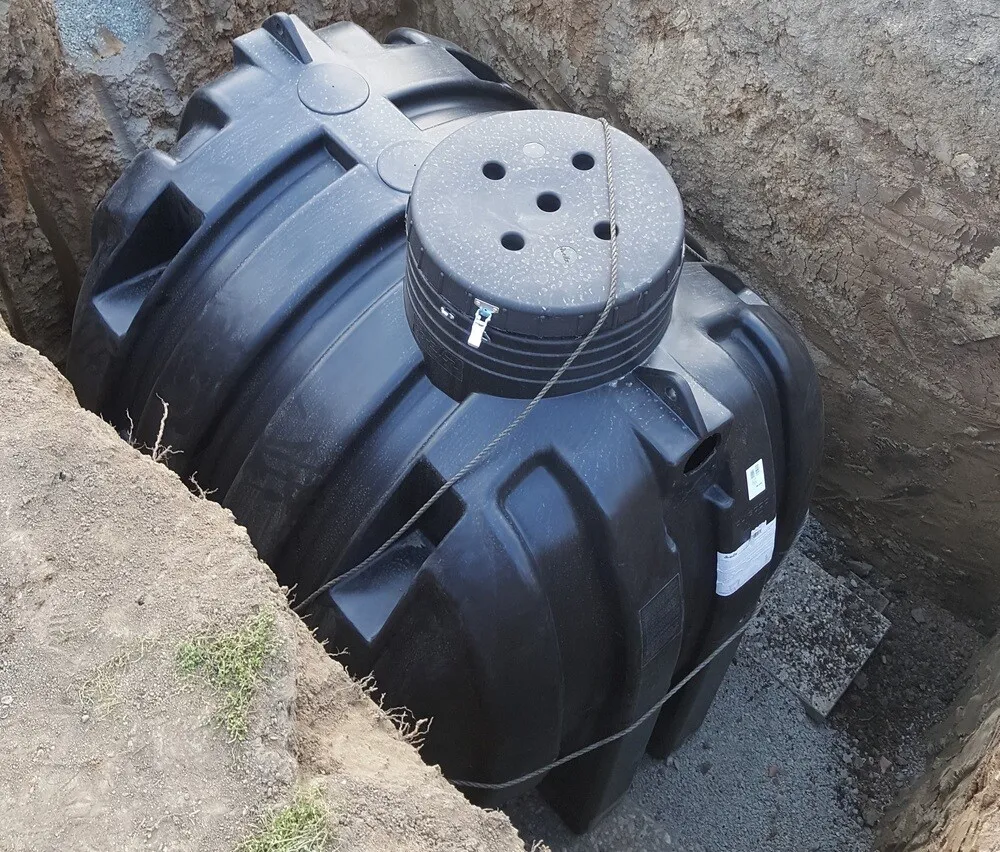
Why Connect a Retention Tank to Your Irrigation System?
Using rainwater for irrigation has become a standard for modern homes. Rainwater is naturally better for plants—it is chlorine-free, soft, and has an optimal pH level. However, to make the connection between a retention tank and automatic irrigation reliable, you must address three technical challenges: pressure, filtration, and water scarcity during dry spells.
1. The Pump: The Heart of the System
Unlike watering with a simple garden hose, automatic irrigation requires stable pressure (typically 3 to 4 bars) and a consistent flow rate.
- Submersible Automatic Pumps: The best choice for retention tanks. These feature built-in pressure switches that activate the pump as soon as the irrigation controller opens a valve.
- Dry-Run Protection: This is essential. If the tank runs out of water, the pump must shut off automatically to prevent overheating and permanent damage.
2. Filtration: Keeping Debris at Bay
Water from the roof carries dust, pollen, leaves, and moss. If these contaminants enter the system, they can clog electromagnetic valves or the fine nozzles of your sprinklers.
- Pre-filter (Coarse): Installed before the water enters the tank (e.g., a filter basket or a self-cleaning underground filter).
- Secondary Filter (Fine): Installed after the pump. We recommend a disc filter, which is easier to clean and more effective at trapping small particles than a standard screen mesh.
3. What if it Doesn't Rain? (System Backup)
The biggest mistake is relying solely on rainfall. During a heatwave, a 5 m³ tank can be depleted in just a few days. There are two primary solutions:
- Mains Water Top-up: Using a float valve or an electronic sensor, a small amount of tap water (e.g., 20 cm at the bottom) is added to the tank so the pump can continue to operate.
- Three-Way Valve: A more advanced solution that bypasses the empty tank and switches the pump's suction directly to the municipal water supply or a secondary well.
Size Matters: Tank Capacity
When sizing your retention tank, don't just look at your roof area—consider your lawn's consumption. An average lawn needs about 30 liters per m² per week in summer. For a 200 m² garden, that is 6,000 liters per week. To survive a two-week drought, you would need at least a 12 m³ tank.
Important Safety Note: When topping up a retention tank with potable water, you must maintain an "air gap." The drinking water line must never be directly connected to the rainwater line to prevent contamination of the public water supply.
Conclusion
Combining automatic irrigation with a retention tank is an investment that pays off through lower water bills and healthier plants. The key to success is oversized filtration and smart water level management, ensuring you aren't left with an empty tank just when your lawn needs it most.