

Sand in Your Well and Irrigation: How to Fix It Without a Fortune
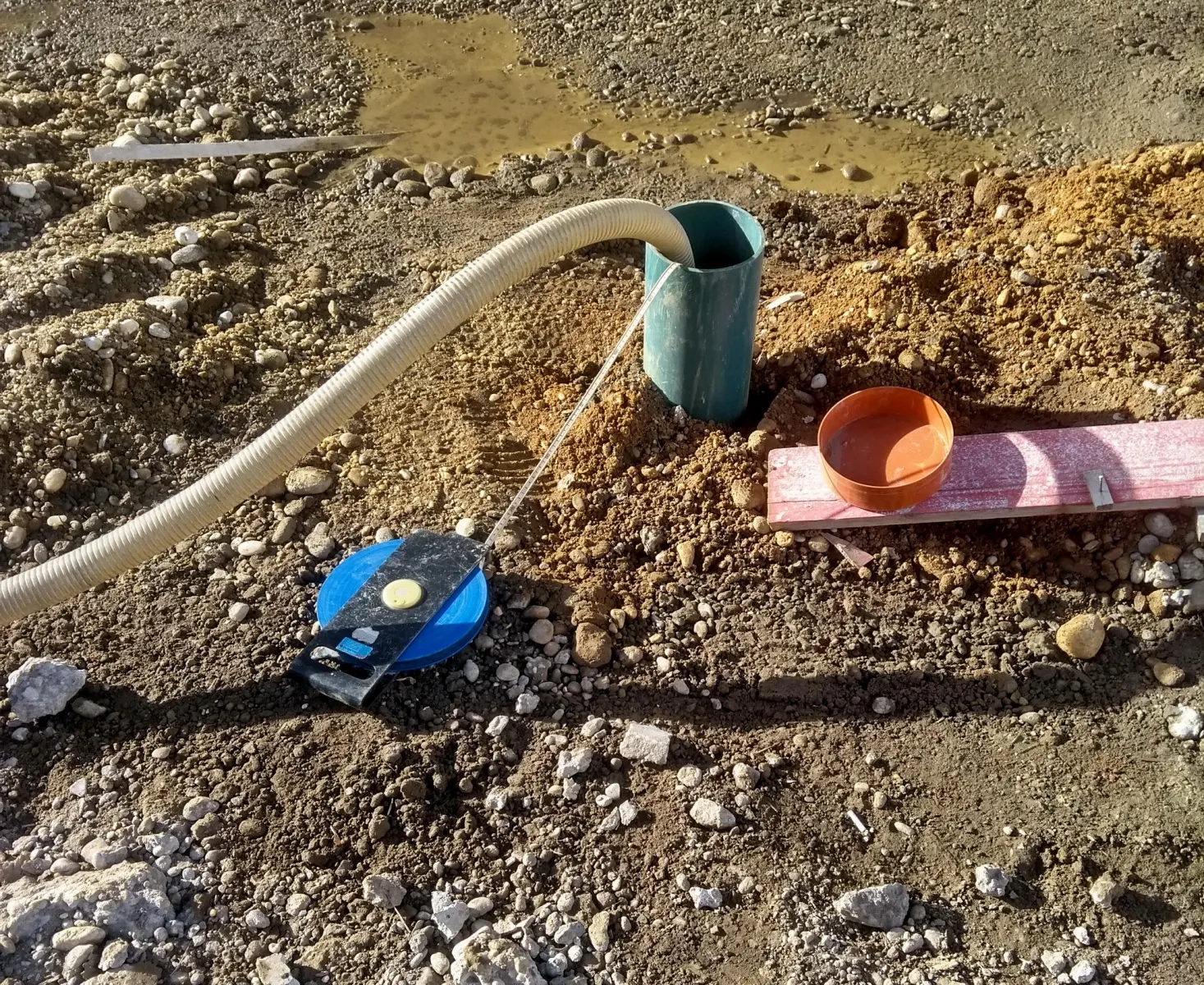
I Have Sand in My Well: How to Save Your Irrigation Without Breaking the Bank
An Honest Look at a Problem Facing Many Well Owners
Sand in a well is a nightmare for any automatic irrigation owner. If it appears, you essentially have two paths: invest thousands of dollars into a new well (with an uncertain result), or learn to "fight" the sand. Let’s be honest—completely removing fine sand forever without extremely expensive industrial technology is nearly impossible. However, there is a solution that can eliminate it enough for your system to function reliably.
The Hydrocyclone: Your First Line of Defense
If there is sand in your water, standard screen or disc filters will fail—they either clog instantly or the sand "grinds" through the mesh. The only effective and affordable solution is a hydrocyclone filter (sand separator).
How does it work? A hydrocyclone doesn't use a fine mesh. Water enters at high pressure and, due to the filter's specific shape, begins to spin rapidly (creating centrifugal force). Heavier sand particles are thrown against the walls and fall into a collection tank at the bottom, while clean water rises through the center into the irrigation system.
- Efficiency: Removes up to 90% of coarse sand, protecting valves and pipes.
- Cost: Quality models range from $80 to $300 depending on material and flow rate.
Solution for Heavy Sand: Automatic Flushing
If your well produces a large volume of sand, the hydrocyclone's collection tank can fill up during a single watering cycle. To avoid having to manually clean the filter every day, there is an elegant solution: automatic flushing.
An automatic solenoid valve is installed on the discharge outlet of the hydrocyclone, connected to a small timer or directly to your irrigation controller.
- How it helps: The system automatically opens for a few seconds at set intervals (e.g., every 15 minutes), using water pressure to blast the accumulated sand out of the tank (e.g., into a drainage pit).
- Maintenance-free: This setup makes the sand separator almost entirely "hands-off," even in extreme conditions where manual cleaning would be required multiple times a day.
Important Warning: Your Nozzles Will Still Suffer
While the hydrocyclone and automatic flush catch the vast majority of debris, microscopic sand particles (silt) will always slip through. You must accept that sand acts like sandpaper on your irrigation components.
What should you expect?
- Nozzle Wear: Rotary nozzles (like the popular Hunter MP Rotator) have delicate internal gears. Sand gradually grinds them down, causing them to stop rotating or shortening their spray distance.
- Frequent Replacement: While nozzles can last 10 years in clean water, with sandy water, you might need to replace them every 3 to 4 years. Consider them a consumable item.
- Sticking Pop-ups: Fine sand can get between the riser and the sprinkler body, preventing the head from retracting fully into the ground after watering.
How to Minimize Damage?
If you are battling sand, we recommend this proven setup:
- Hydrocyclone with Automatic Flush (catches 90% of sand with zero effort).
- Secondary Disc Filter (130 microns) as a safety net for fine dust.
- Regular Inspection of nozzles at the start and middle of the season.
Summary: An automated hydrocyclone is an excellent investment that protects your system from immediate destruction. However, accept the fact that running on such a well will always require more frequent nozzle replacements. It is still a fraction of the cost compared to drilling a new well.
Conclusion
Fighting sand isn't about 100% removal; it's about control. Investing in quality filtration will save a system worth thousands. If you accept that nozzles will need replacing every few years, your garden can thrive even with a "sandy" well.