
Polievam.sk - Custom automatic irrigation

Blog

Tips and advice on irrigation, gardens and pump technology.

Automatic Irrigation and Rainwater: A Smart Solution for Your Garden

Automatic Irrigation and Rainwater: A Smart Solution for Your Garden

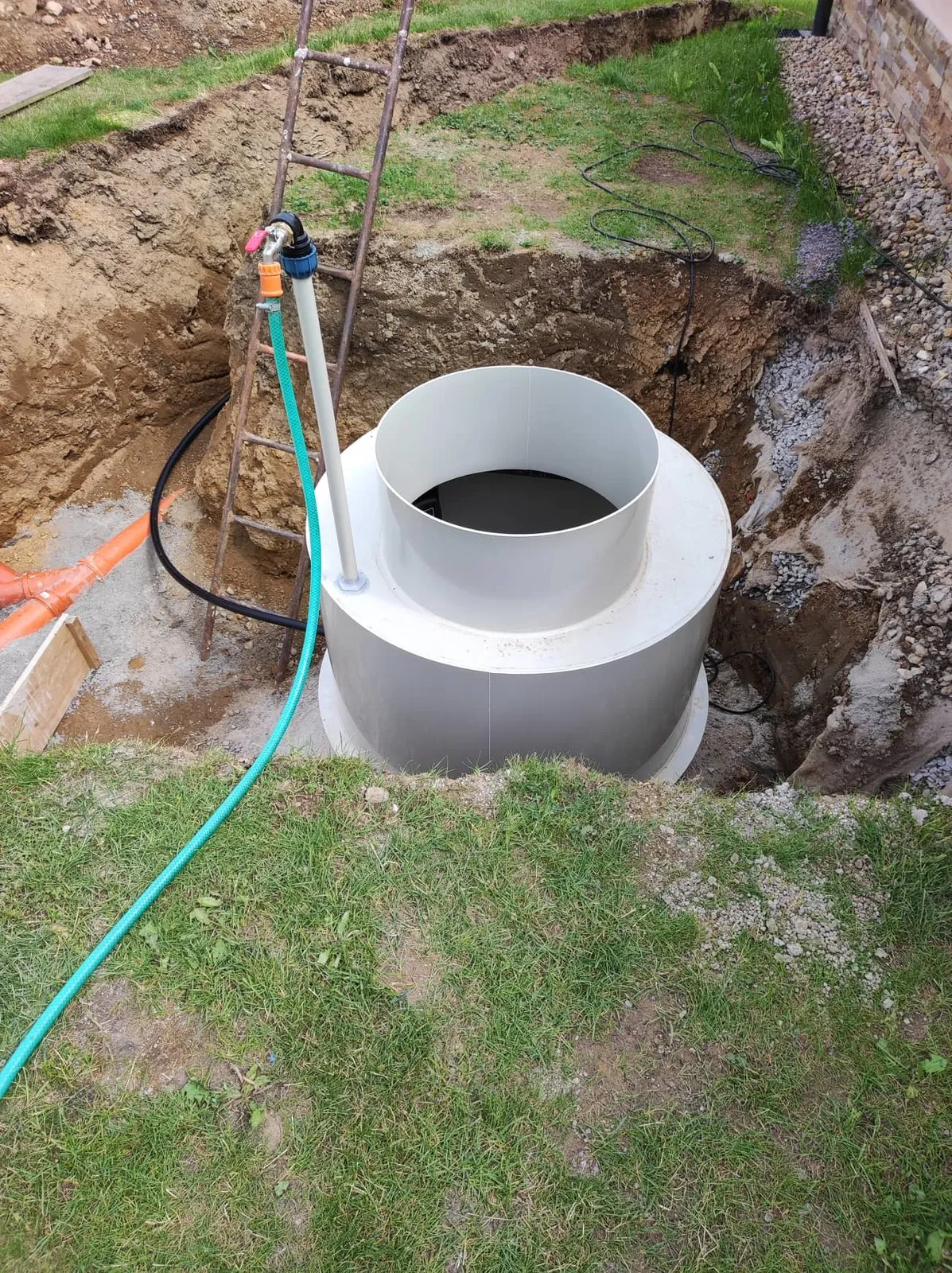
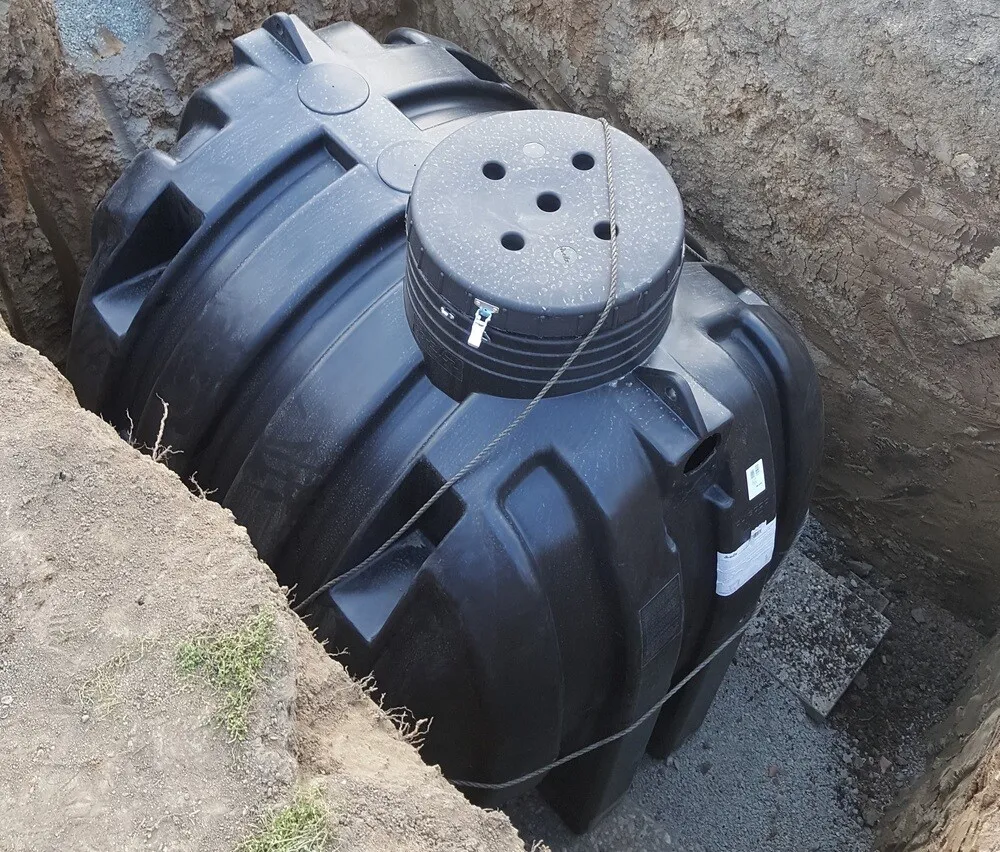
Why Connect a Retention Tank to Your Irrigation System? Using rainwater for irrigation has become a standard for modern homes. Rainwater is naturally better for plants—it is chlorine-free, soft, and has an optimal pH level. However, to make the connection between a retention tank and automatic irrigation reliable, you must address three technical challenges: pressure, filtration, and water scarcity during dry spells. 1. The Pump: The Heart of the System Unlike watering with a simple garden hose, automatic irrigation requires stable pressure (typically 3 to 4 bars) and a consistent flow rate. Submersible Automatic Pumps: The best choice for retention tanks. These feature built-in pressure switches that activate the pump as soon as the irrigation controller opens a valve. Dry-Run Protection: This is essential. If the tank runs out of water, the pump must shut off automatically to prevent overheating and permanent damage. 2. Filtration: Keeping Debris at Bay Water from the roof carries dust, pollen, leaves, and moss. If these contaminants enter the system, they can clog electromagnetic valves or the fine nozzles of your sprinklers. Pre-filter (Coarse): Installed before the water enters the tank (e.g., a filter basket or a self-cleaning underground filter). Secondary Filter (Fine): Installed after the pump. We recommend a disc filter, which is easier to clean and more effective at trapping small particles than a standard screen mesh. 3. What if it Doesn't Rain? (System Backup) The biggest mistake is relying solely on rainfall. During a heatwave, a 5 m³ tank can be depleted in just a few days. There are two primary solutions: Mains Water Top-up: Using a float valve or an electronic sensor, a small amount of tap water (e.g., 20 cm at the bottom) is added to the tank so the pump can continue to operate. Three-Way Valve: A more advanced solution that bypasses the empty tank and switches the pump's suction directly to the municipal water supply or a secondary well. Size Matters: Tank Capacity When sizing your retention tank, don't just look at your roof area—consider your lawn's consumption. An average lawn needs about 30 liters per m² per week in summer. For a 200 m² garden, that is 6,000 liters per week. To survive a two-week drought, you would need at least a 12 m³ tank. Important Safety Note: When topping up a retention tank with potable water, you must maintain an "air gap." The drinking water line must never be directly connected to the rainwater line to prevent contamination of the public water supply. Conclusion Combining automatic irrigation with a retention tank is an investment that pays off through lower water bills and healthier plants. The key to success is oversized filtration and smart water level management, ensuring you aren't left with an empty tank just when your lawn needs it most.
Read article
When and How Much to Water Your Lawn? Timing is Everything

When and How Much to Water Your Lawn? Timing is Everything

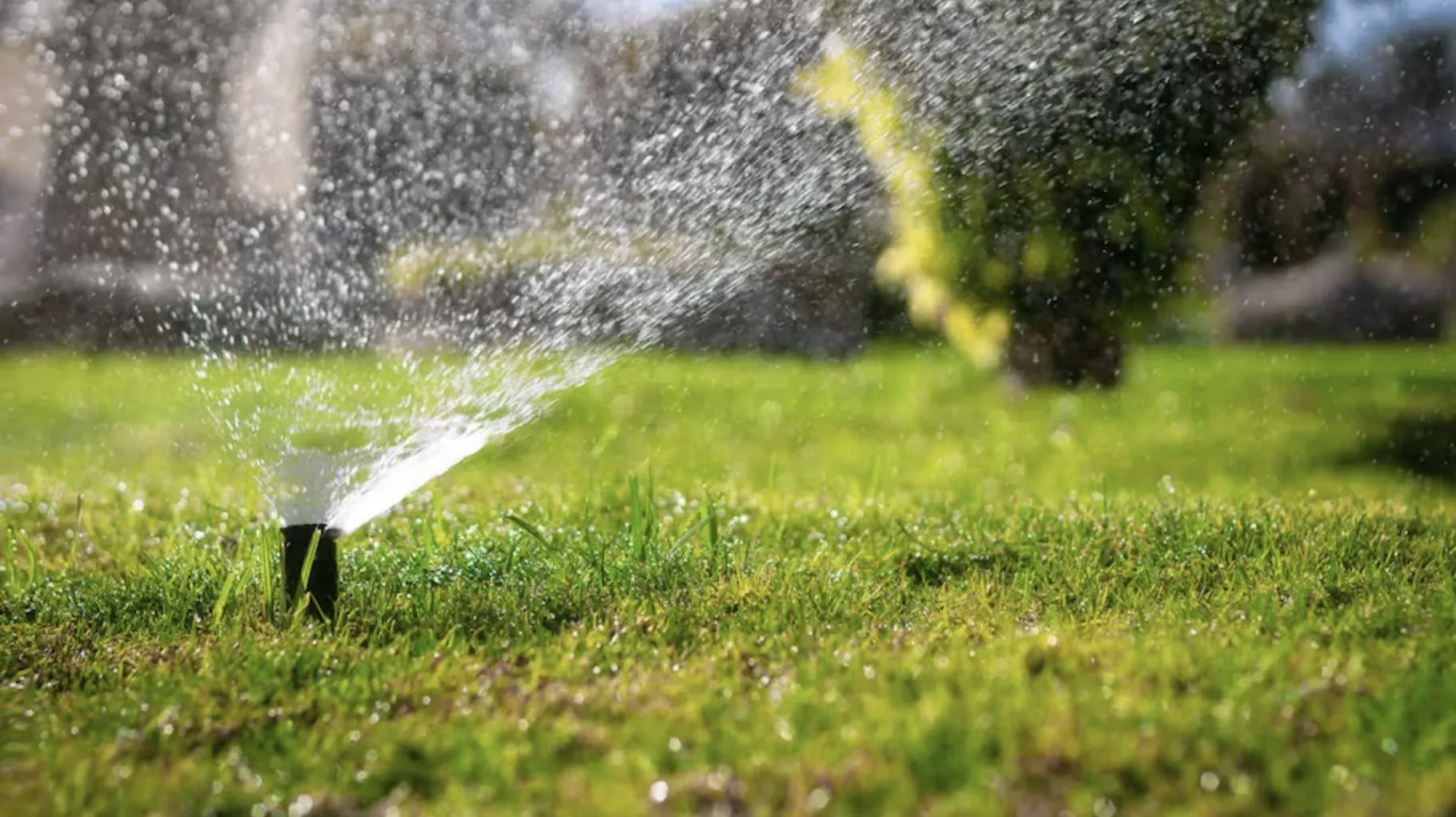
Morning, Evening, or Night? Timing Matters More Than Duration Many homeowners make the same mistake: they set their irrigation to run in the evening to "prevent water from evaporating overnight." However, the result is often a lawn riddled with fungal diseases. If you want a healthy, deep-green carpet, you must follow the biological needs of the plants, not your own schedule. The Golden Rule: Water Early in the Morning The best time to start your irrigation is between 3:00 AM and 7:00 AM. Why is this so critical? Minimal Evaporation: The air is cool and winds are usually calm, ensuring that water reaches the roots rather than evaporating into the air. Disease Prevention: The lawn gets wet during irrigation, but as soon as the sun rises, the blades dry quickly. Prolonged leaf wetness (which happens with evening watering) is the primary trigger for fungal outbreaks. Optimal Pressure: In the early morning hours, water pressure in municipal lines is typically at its peak, ensuring your sprinklers reach their full design distance. Why is Evening Watering Risky? If you water your lawn late in the evening, it stays wet for up to 10 hours until sunrise. Heat trapped in the dense thatch combined with standing moisture creates the perfect breeding ground for mold and fungi (such as Snow Mold or Dollar Spot). Evening watering should only be used in extreme heatwaves as a rare supplement if the lawn is visibly wilting during the day. How Much Water Does a Lawn Actually Need? Instead of tracking minutes on your controller, focus on the weekly total of water applied. Water requirements change based on the season: Standard Summer Weather: A lawn needs approximately 0.6 – 0.7 gallons per sq. ft. (25–30 liters per m²) per week. Extreme Heat (above 90°F / 32°C): Consumption rises to 1 gallon or more per sq. ft. (40+ liters per m²) per week. Spring and Autumn: Usually, 0.25 – 0.35 gallons per sq. ft. (10–15 liters per m²) per week is sufficient. The "Less Often, But Deeply" Method The key to a deep root system is watering less frequently but with a significant amount of water (e.g., 3 times a week). If you only "mist" the lawn every day, the roots stay near the surface, where the sun quickly burns them. Deep soaking forces the roots to grow downward, making the lawn much more drought-resistant. Pro Tip: If you aren't sure how much water your system delivers, place a rain gauge (or a simple flat-bottomed cup) on the lawn. After a cycle, check how many inches of water (1 inch = approx. 0.6 gal/sq. ft.) actually landed on the area. Conclusion Setting your irrigation to 4:00 AM is the easiest way to improve your lawn's health without spending a dime on extra fertilizers or chemicals. Watch your grass—if the blades lose their springiness and the color turns a dull grey-green, it’s time to increase the water volume. If puddles form, water in shorter cycles with breaks to allow for infiltration.

Read article
Sand in Your Well and Irrigation: How to Fix It Without a Fortune

Sand in Your Well and Irrigation: How to Fix It Without a Fortune

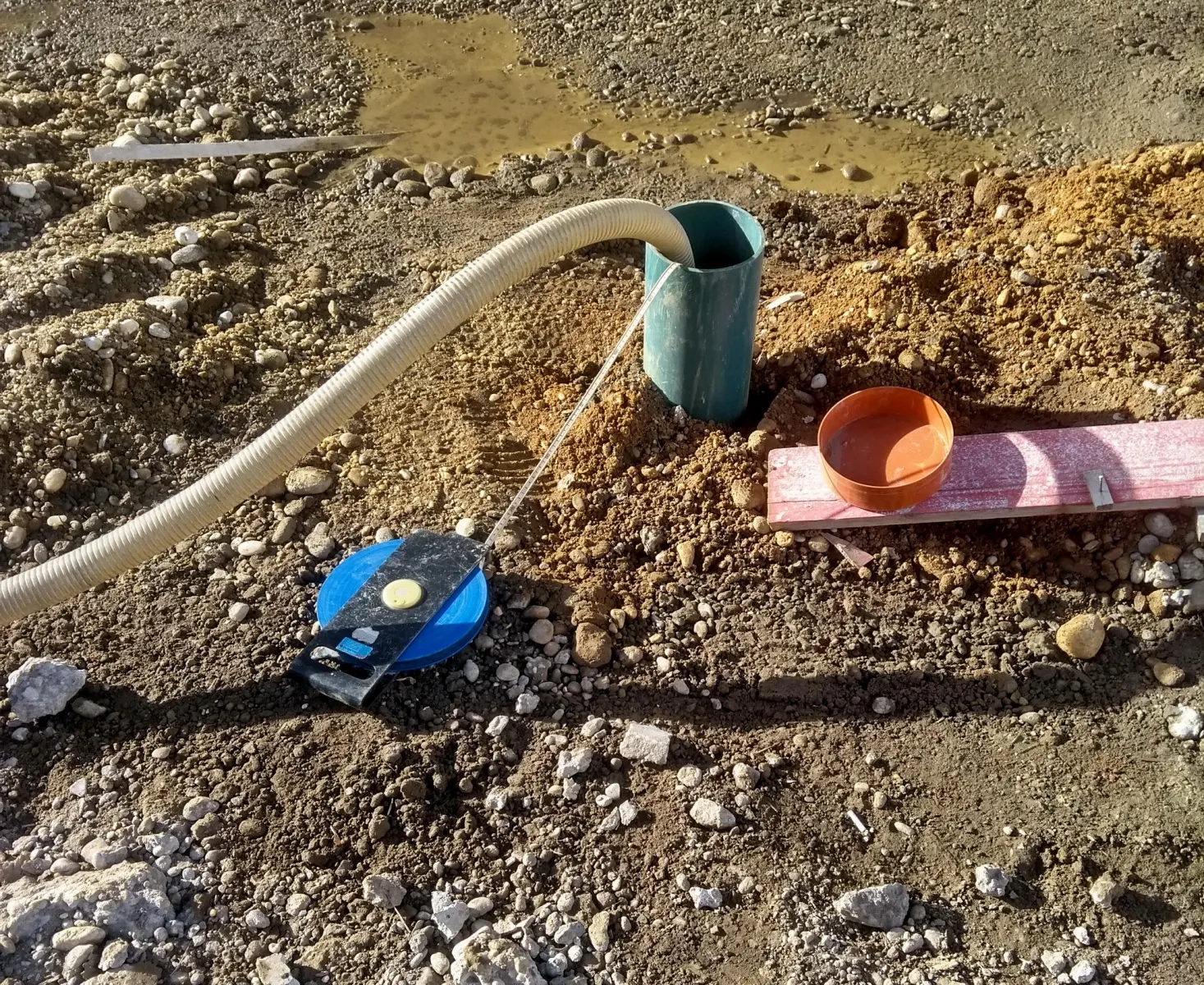
I Have Sand in My Well: How to Save Your Irrigation Without Breaking the Bank An Honest Look at a Problem Facing Many Well Owners Sand in a well is a nightmare for any automatic irrigation owner. If it appears, you essentially have two paths: invest thousands of dollars into a new well (with an uncertain result), or learn to "fight" the sand. Let’s be honest—completely removing fine sand forever without extremely expensive industrial technology is nearly impossible. However, there is a solution that can eliminate it enough for your system to function reliably. The Hydrocyclone: Your First Line of Defense If there is sand in your water, standard screen or disc filters will fail—they either clog instantly or the sand "grinds" through the mesh. The only effective and affordable solution is a hydrocyclone filter (sand separator). How does it work? A hydrocyclone doesn't use a fine mesh. Water enters at high pressure and, due to the filter's specific shape, begins to spin rapidly (creating centrifugal force). Heavier sand particles are thrown against the walls and fall into a collection tank at the bottom, while clean water rises through the center into the irrigation system. Efficiency: Removes up to 90% of coarse sand, protecting valves and pipes. Cost: Quality models range from $80 to $300 depending on material and flow rate. Solution for Heavy Sand: Automatic Flushing If your well produces a large volume of sand, the hydrocyclone's collection tank can fill up during a single watering cycle. To avoid having to manually clean the filter every day, there is an elegant solution: automatic flushing. An automatic solenoid valve is installed on the discharge outlet of the hydrocyclone, connected to a small timer or directly to your irrigation controller. How it helps: The system automatically opens for a few seconds at set intervals (e.g., every 15 minutes), using water pressure to blast the accumulated sand out of the tank (e.g., into a drainage pit). Maintenance-free: This setup makes the sand separator almost entirely "hands-off," even in extreme conditions where manual cleaning would be required multiple times a day. Important Warning: Your Nozzles Will Still Suffer While the hydrocyclone and automatic flush catch the vast majority of debris, microscopic sand particles (silt) will always slip through. You must accept that sand acts like sandpaper on your irrigation components. What should you expect? Nozzle Wear: Rotary nozzles (like the popular Hunter MP Rotator) have delicate internal gears. Sand gradually grinds them down, causing them to stop rotating or shortening their spray distance. Frequent Replacement: While nozzles can last 10 years in clean water, with sandy water, you might need to replace them every 3 to 4 years. Consider them a consumable item. Sticking Pop-ups: Fine sand can get between the riser and the sprinkler body, preventing the head from retracting fully into the ground after watering. How to Minimize Damage? If you are battling sand, we recommend this proven setup: Hydrocyclone with Automatic Flush (catches 90% of sand with zero effort). Secondary Disc Filter (130 microns) as a safety net for fine dust. Regular Inspection of nozzles at the start and middle of the season. Summary: An automated hydrocyclone is an excellent investment that protects your system from immediate destruction. However, accept the fact that running on such a well will always require more frequent nozzle replacements. It is still a fraction of the cost compared to drilling a new well. Conclusion Fighting sand isn't about 100% removal; it's about control. Investing in quality filtration will save a system worth thousands. If you accept that nozzles will need replacing every few years, your garden can thrive even with a "sandy" well.

Read article
What Influences the Cost of Automatic Irrigation the Most?

What Influences the Cost of Automatic Irrigation the Most?

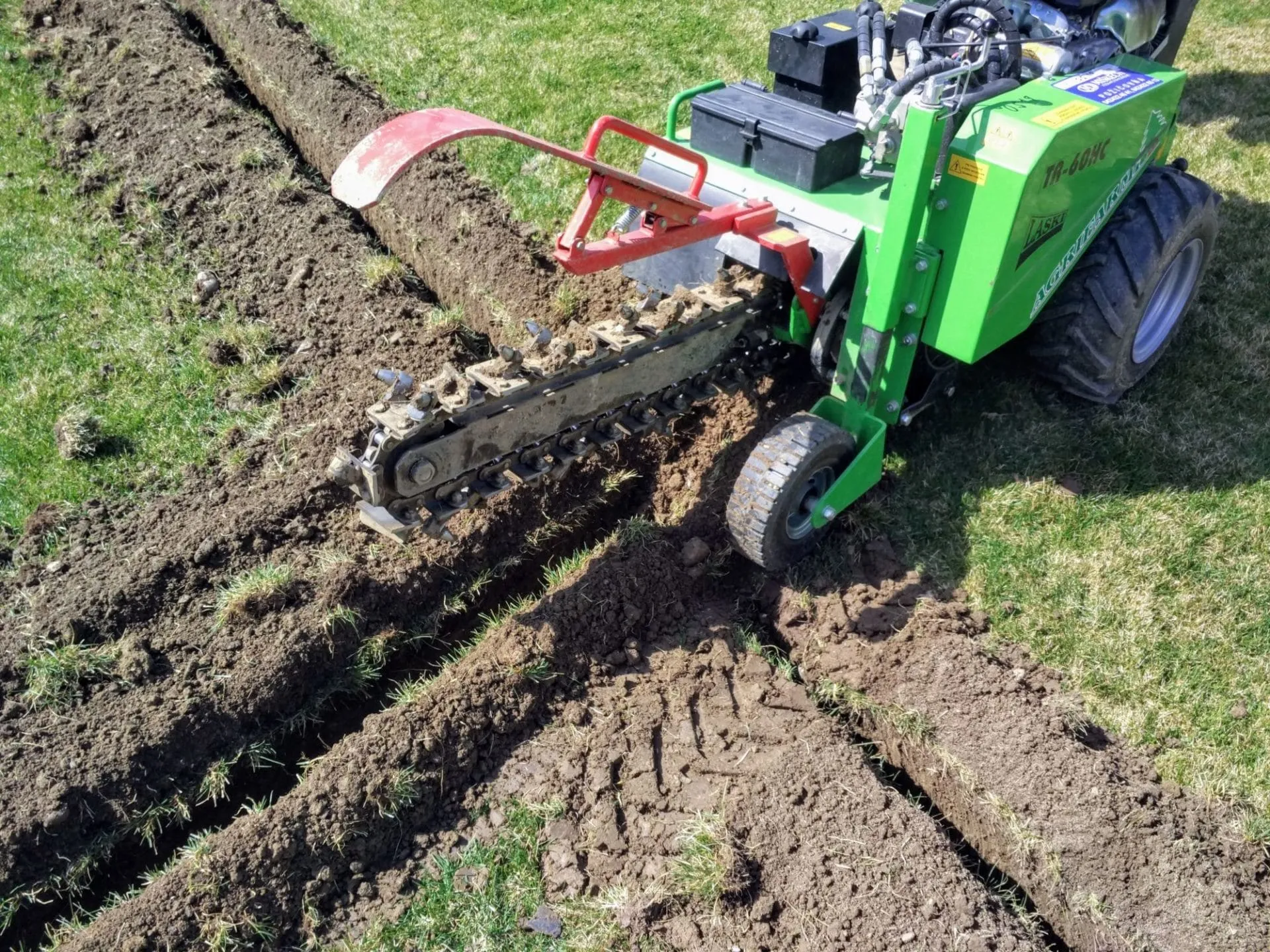
What Influences the Cost of Automatic Irrigation the Most? Budget Under the Microscope: Why Does One System Cost $1,500 and Another $4,000? Automatic irrigation is not an "off-the-shelf" product with a fixed price tag. It is an engineered system custom-designed for your specific landscape. If you have received a quote and it seems high (or suspiciously low), here are the key factors that determine the final price. 1. Water Source and Its Parameters The water source is the heart of the system. If you have a well with a low flow rate or weak municipal pressure, the system must be divided into more zones to power the sprinklers effectively. Low Pressure/Flow: This requires more solenoid valves, more piping, and a larger controller with more station outputs, driving up the cost. Pump Systems: If the water source is insufficient, you may need to invest in a Variable Frequency Drive (VFD) or a more powerful pump, adding hundreds of dollars to the bill. 2. Garden Layout and Complexity The total square footage is only a rough guide. The shape of your property is far more important. Open Lawns vs. Narrow Strips: Irrigating a large, open rectangular lawn is much cheaper than watering narrow strips around the house, rockeries, and flower beds. More obstacles and turns mean more nozzles and more complex trenching. Landscaping Obstacles: If you have "islands" of trees or shrubs in the middle of your lawn, each obstacle requires additional sprinklers to avoid dry spots (the "shadow" behind the tree). 3. Controller Quality and Smart Features The gap between a basic entry-level model and a high-end smart system can be significant. Wi-Fi Control (e.g., Hunter Hydrawise): These units cost more upfront but save up to 50% on water by connecting to local weather stations. The investment often pays for itself through lower water bills. Sensors: A rain sensor is standard, but adding soil moisture sensors increases the price while pushing the system to a much higher level of efficiency. 4. Trenching and Labor Intensity This is the part of the quote that homeowners often underestimate. Installing into an Existing Lawn: If irrigation is being installed in a finished garden, workers must carefully cut and replace sod, which is labor-intensive and expensive. New Construction (Bare Soil): On new builds where topsoil hasn't been laid yet, installation is much faster and cheaper since trenching is straightforward. 5. Nozzle Selection and Component Grade Not all nozzles are created equal. Standard spray nozzles are cheap but consume a lot of water. Professional rotary nozzles (like the Hunter MP Rotator) are more expensive to buy but offer significant benefits: They require fewer zones (saving on valves and piping). They have much lower water consumption and better wind resistance. Budget Tip: You don't save the most money by buying cheap nozzles, but through proper hydraulic design. A professional designer can optimize the number of zones so you don't pay for unnecessary material. Conclusion The cost of automatic irrigation is most heavily influenced by the complexity of the terrain and the capacity of the water source. While you can adjust the budget by choosing different controllers or nozzle types, the laws of physics are set—weak water and complex landscapes will always require more material and labor. Professional installation may cost more initially, but it ensures you won't have to redesign the system in three years due to dry spots.

Read article
Why Professional Irrigation Systems Last 15+ Years

Why Professional Irrigation Systems Last 15+ Years

Why Does a Professional Irrigation Installation Last 15+ Years? An Investment That Doesn't Depreciate With Age When looking at a newly landscaped garden, all irrigation systems look similar—green grass and spraying water. However, the real difference emerges after five, ten, or fifteen years. While DIY systems pieced together from hobby stores often fail after a few seasons, professional Hunter installations easily serve for over 15 years. Here is why. 1. Industrial-Grade Components Professional contractors don't use consumer-grade parts found in big-box stores; they use certified series designed for heavy-duty conditions. Durable Sprinkler Bodies: Professional-grade heads (like the Hunter Pro-Spray or PGP) feature reinforced springs and seals that can withstand millions of pop-up and retraction cycles. Heavy-Duty Solenoid Valves: High-quality valves are engineered to handle water impurities and thousands of activations without material fatigue. 2. Correct Pipe and Joint Dimensioning The most common cause of failure in amateur systems is undersized piping or low-quality joints that eventually fail underground. Water Hammer Prevention: A professional designs the system to prevent pressure surges (water hammer), which would otherwise lead to pipe cracks over the years. Thermal Expansion: Expert installation accounts for the fact that underground pipes "move" with temperature changes. They use fittings that seal just as well after fifteen years of frost and heat as they did on day one. 3. Precise Electrical Work Water and electricity are enemies. Professional installation includes waterproof connectors in valve boxes and correctly gauged wiring. Amateur connections wrapped only in standard electrical tape begin to oxidize after 3 to 4 years, leading to controller failures and expensive troubleshooting deep underground. 4. Systems Designed for Easy Servicing Longevity is not just about materials; it’s about maintenance. Efficient Winterization: A professional system always includes dedicated points for connecting an air compressor. Thoroughly blowing out water before winter is crucial to prevent freeze damage. Accessibility: Valves are logically organized in boxes so they can be easily reached even years later when the garden has fully matured and grown over. 5. Protection from Mechanical Damage (Swing Joints) Pros know that the biggest enemies of sprinkler heads are lawnmowers and foot traffic. They use special flexible connections called swing joints. These allow the sprinkler head to "give" under downward pressure without cracking the main pipe or the sprinkler body itself. Pro Tip: If you want your irrigation system to celebrate its 15th anniversary in top shape, treat it to professional winterization and a spring startup with a pressure and filter check every year. Conclusion The price gap between a DIY and a professional installation may seem significant at first. However, if you calculate the costs over 15 years of operation, a professional Hunter system emerges as the clear winner. You save not only on replacement parts but, more importantly, on the time and hassle of digging up your beautiful garden to fix preventable failures.

Read article
When is a Variable Frequency Drive Worth It for Your Pump?

When is a Variable Frequency Drive Worth It for Your Pump?

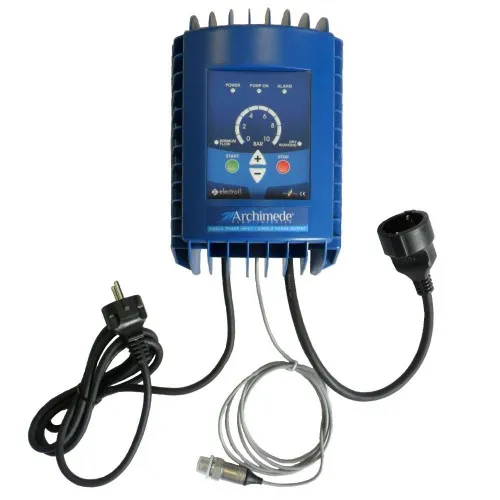
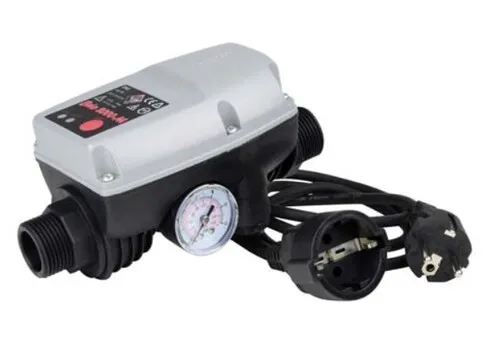
When Is a Variable Frequency Drive Really Worth the Investment? The Intelligent Solution for Your Well and Irrigation System In 2026, a Variable Frequency Drive (VFD) is considered the "brain" of any modern pumping system. While a classic pressure switch only operates in an on/off mode, a VFD continuously regulates the motor's speed. The question remains: Do you truly need one, or is it an unnecessary expense? Key Reasons Why a Frequency Drive is Essential 1. Significant Differences in Water Demand This is the primary reason to buy a drive. If your system uses water for various purposes—for example, you have a large lawn zone with sprinklers (demand of 50 l/min) and at the same time a drip irrigation line or just a garden hose for filling a bucket (demand of 5 l/min). Without a drive, the pump would constantly cycle on and off during low demand, leading to rapid wear and tear. A VFD simply slows the motor down to the required minimum. 2. The Requirement for Constant Pressure Throughout the Property If your pump supplies both your home and your garden, you are likely familiar with pressure drops in the shower when the outdoor irrigation kicks in. A Frequency Drive maintains a precisely set pressure (e.g., 3.5 bars) regardless of how many taps are open at the same time. 3. Maximum Energy Savings A standard pump always runs at 100% power, even if you only need a small amount of water. A VFD adjusts electricity consumption based on actual demand. During partial loads, energy savings can range between 40% and 60%, which—given today’s energy prices—ensures a quick return on investment. 4. Protection and Longevity of Expensive Pumps Drives feature a "Soft Start" function, meaning the motor does not start abruptly but ramps up smoothly. This protects the motor windings, the shaft, and the entire piping system from "water hammers" (pressure shocks). When a Frequency Drive IS Worth It: Your irrigation zones have significantly different flow rates. The pump supplies both the household and the garden simultaneously. You own an expensive submersible pump and want to maximize its lifespan. You prefer silent operation (a pump running at lower speeds is barely audible). When a Budget-Friendly PRESSCONTROL is Sufficient: Your irrigation system has only one zone, or all zones have roughly the same flow rate. The pump is used exclusively for garden watering and nothing else. You have a cheap surface pump where the price of the drive would exceed the cost of the pump itself. You are looking for the simplest technical solution with low upfront costs. Conclusion A Variable Frequency Drive is not just a luxury accessory; it is an investment in reliability. If your garden and home require varying amounts of water at different times, a drive is the only correct path. However, for a simple system with balanced demand, a cheaper Presscontrol will serve you just as well.

Read article
Sprinklers Pulsing? Presscontrol vs. Variable Frequency Drive

Sprinklers Pulsing? Presscontrol vs. Variable Frequency Drive

Why Do Your Sprinklers Retract and Is a Frequency Drive Worth the Cost? Ending the "Dancing Sprinklers" Problem in Your Garden If you use a domestic waterworks with an expansion tank, you might notice a frustrating issue: your sprinklers pop up, spray for a bit, then retract, only to pop up again seconds later. This happens because the pressure fluctuates between the "start" and "stop" settings of your pump. You have two main ways to fix this: the affordable way that works, and the smart way that lasts. What is the difference? 1. Presscontrol: The Simple and Effective Fix If you are looking for a quick fix for around $50–$80, a Presscontrol (electronic switch) is the way to go. It replaces your mechanical switch and expansion tank. How it works: The pump starts when it detects a drop in pressure and runs at 100% power as long as water is flowing. The Pro: Sprinklers get constant pressure, they won't retract, and it costs a fraction of a Frequency Drive. The Con: The pump always runs at "full throttle," even if you are only watering a small flower bed. This increases electricity consumption and wear. 2. Variable Frequency Drive (VFD): A Smart Investment A Variable Frequency Drive (costing roughly $250–$350) acts as the "brain" of your pump. Instead of just turning the pump on and off, it changes the motor's speed. Constant Pressure: You set it to exactly 3.5 bars, and the drive maintains that pressure whether one sprinkler is running or ten. Energy Savings: If your irrigation doesn't need full power, the pump slows down. Energy savings can reach up to 40%. System Protection: The VFD provides a "soft start," preventing water hammer (pressure shocks) in your pipes, which significantly extends the life of your pump and irrigation components. Should You Spend $300 on a Drive or Buy a New Pump? Many homeowners think about buying a new pump when the old one "misbehaves." However, even a brand-new pump will pulsate if it’s still connected to an old-fashioned expansion tank system. Are your zones balanced? If every section of your garden uses roughly the same amount of water, a Presscontrol is usually enough. Do your zones vary in size? If one zone waters a large lawn and the other just a few shrubs, a Frequency Drive is almost essential to prevent the pump from "cycling" or overheating during low-flow tasks. 2026 Pro Tip: If you have an older but functional pump, it is often better to add a Variable Frequency Drive than to buy a cheap "all-in-one" pump. The drive turns even an old machine into a modern, energy-efficient system. Conclusion Both solutions will stop your sprinklers from retracting. A Presscontrol is a great "first aid" for anyone on a budget. A Frequency Drive is the choice for those who want maximum comfort, silent operation, and long-term savings. Before you invest, check the flow requirements of your zones—that will give you the best answer.

Read article
Why a Professional Irrigation Design is Crucial

Why a Professional Irrigation Design is Crucial

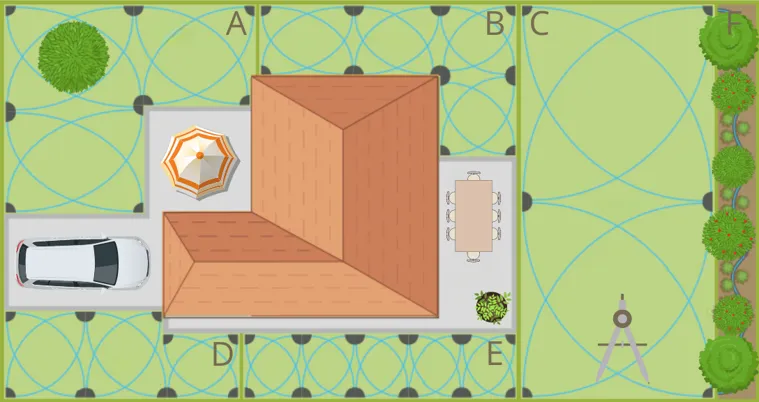
A Plan That Distinguishes "Watering" from Efficient Irrigation Many homeowners make the same mistake: they buy components and start digging without a clear plan. In 2026, with energy and water prices at an all-time high, a professional irrigation design is the most important investment you can make before the first shovel hits the ground. 1. Hydraulic Calculation: The Heart of the System Irrigation is more than just connecting hoses. The biggest challenge is water pressure and flow rate. Optimal Pressure: If the pressure is too low, the sprinklers won't pop up. If it's too high, the water turns into a mist that is easily blown away by the wind. A designer calculates the exact pressure loss for every meter of pipe. Zoning: The project divides the garden into zones so that your water source (well or mains) can adequately supply all sprinklers in a given group at once. 2. "Head-to-Head" Coverage A common myth is that a sprinkler only needs to be placed where its spray reaches. A professional design, however, relies on the principle of mutual overlap: Uniformity: Every square inch of the lawn must be hit by at least two sprinklers. This prevents yellow dry spots right next to overwatered zones. Efficiency: Without a precise layout, you will end up using significantly more water trying to "soak" the areas the system doesn't reach properly. 3. Material and Cost Savings A designer provides an exact Bill of Materials (BOM), saving you money twice over: No Waste: You won't buy unnecessary meters of piping or extra nozzles "just in case." Long-term Sustainability: A well-designed system doesn't overstrain your pump, extending its service life by years. 4. Documentation for the Future When you decide to build a gazebo or plant a tree five years from now, you’ll be digging blind without a project. Pipe Mapping: You know exactly where the main lines and valves are buried. Easy Servicing: Any repair or system expansion becomes a matter of minutes, not hours of searching for buried connections. 2026 Expert Tip: A professional design from an authorized Hunter partner ensures your system meets the latest standards for water conservation and effective distribution. Conclusion: Saving on the Design Doesn't Pay Off An irrigation design costs a fraction of the total installation price, but it can save thousands in operating and repair costs. Get your layout designed by experts and gain a garden that thrives with minimal water consumption.

Read article
How Does a Rain Sensor Work and How It Saves You Money?

How Does a Rain Sensor Work and How It Saves You Money?

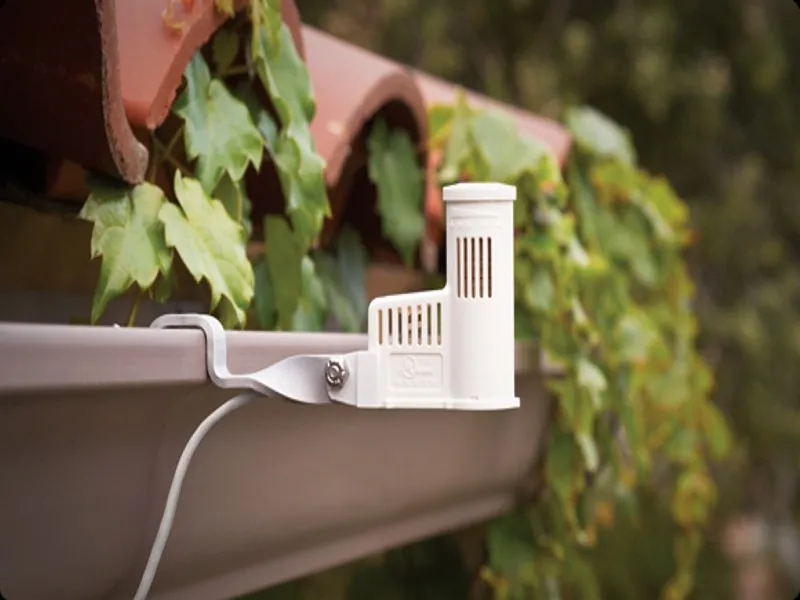
The Simplest Way to Stop Wasting Water Have you ever seen irrigation sprinklers running in the middle of a heavy downpour? It looks ridiculous, and from an economic perspective, it’s a complete waste. In 2026, with the growing focus on ecology and water costs, a rain sensor is an essential safety feature for every smart irrigation system. The Principle of Operation: No Complex Electronics Most modern rain sensors (such as those from the Hunter brand) don't rely on complex digital sensors that could easily break. Instead, they work on a surprisingly simple yet reliable mechanical principle: Hygroscopic Cork Discs: Inside the sensor, there are several rings made of a specialized material similar to cork. Expansion After Rain: When it starts to rain, these discs absorb moisture and expand in volume. Breaking the Circuit: The expanding cork physically pushes a switch that breaks the electrical circuit to the controller. The controller then receives a signal: "It's raining, do not open the valves." Drying Out: As soon as the rain stops and the cork dries out again, it shrinks back to its original size, the circuit reconnects, and the irrigation resumes its normal schedule. Quick Response™ Technology: Stopping in the First Minute Older sensor models had to accumulate a certain amount of water before they could shut the system down. Modern sensors in 2026 feature Quick Response technology, which can shut off the irrigation during the very first drops of rain, saving water instantly. How Does the Sensor Save Your Wallet? The investment in a rain sensor typically pays for itself within the first season. How is this possible? Direct Water Savings: An average rainy week can mean saving hundreds of gallons of water that would otherwise be wasted on saturated soil. Lawn Health: Too much water (rain + irrigation) leads to root rot and fungal diseases. The sensor protects your lawn from disease, saving you money on expensive chemicals and fertilizers. Component Longevity: When the system isn't running unnecessarily, you reduce wear and tear on your pump, valves, and sprinkler heads. Did You Know? A high-quality wireless rain sensor has a range of up to 800 feet (250 meters), and the battery lasts up to 10 years. This means you don't have to worry about maintenance at all. Conclusion: A Small Helper with a Huge Impact A rain sensor is the silent guardian of your garden. It costs a fraction of the total system price, but its benefits for your wallet and the environment are massive. If you want an irrigation system that "thinks," a rain sensor should be an indispensable part of it.

Read article
Irrigation Without Mains Water: What Are Your Options?

Irrigation Without Mains Water: What Are Your Options?

Independence in the Garden: When the Water Grid Is Out of Reach The absence of a public water supply on your property doesn't mean you are condemned to manual watering with a hose or cans. In 2026, the trend is maximum self-sufficiency. Whether it's a remote cabin, a new build awaiting utility connections, or an eco-conscious household, there are several effective ways to run an automatic irrigation system completely independent of municipal water. 1. Private Wells: The Most Reliable Alternative A well is an ideal partner for automatic irrigation because it provides the stable flow and pressure required for modern sprinklers. Submersible Pumps: Modern pumps with integrated pressure switches deliver water directly into the system as soon as the control unit opens a valve. Booster Sets: Suitable for smaller systems where you need to maintain constant pressure throughout the pipe network. Filtration is Key: With well water, high-quality filtration is essential to prevent fine sand from damaging sprinkler nozzles and valve mechanisms. 2. Rainwater Harvesting: The Eco-Friendly Choice Collecting rainwater from roofs is a standard practice in 2026. However, for automatic irrigation, volume is critical. Underground Tanks: These keep water cool and dark, preventing algae growth. A capacity of 5–10 m³ can cover the needs of a medium-sized garden during dry spells. Surface Tanks (IBC Containers): A more affordable solution, though they require shielding from UV rays and a pump capable of creating sufficient pressure for sprinklers. Hybrid Systems: If the rainwater runs out, the system can automatically switch to a backup source (like a well) to ensure the garden never dries out. 3. Gravity Irrigation for Micro-Systems If you lack electricity or a high-pressure pump, a gravity-fed drip irrigation system is the solution. Elevated Tanks: A water barrel placed at a height of 1.5–2 meters creates enough pressure for specialized low-pressure drip lines. Battery-Powered Controllers: Models exist (e.g., from Hunter or Rain Bird) that run on 9V batteries and don't need a 230V mains connection. They are perfect for cabins and remote corners of a property. Key Challenges for Off-Grid Systems When building an irrigation system from alternative sources, you must consider two factors that aren't an issue with municipal water: Water Quality: Water from wells or tanks contains impurities (sand, pollen, algae). Without an oversized filter, you risk clogging electromagnetic valves and nozzles. Pump Protection: You must ensure "dry-run protection." If the tank runs dry, a sensor must shut off the pump immediately to prevent overheating and mechanical failure. 2026 Pro Tip: If your property lacks electricity, combine a 12V pump with a solar panel and a battery-powered controller. This creates a fully autonomous, maintenance-free system. Conclusion: Self-Sufficiency Pays Off Automatic irrigation without mains water is not only possible but also economically beneficial in the long run. By using your own well or harvesting rainwater, you save money and protect precious drinking water resources. Correct pump selection and proper filtration are the only requirements for a flawlessly functioning green oasis.

Read article
Irrigation from Municipal Water? Without WiFi, You're Overpaying!

Irrigation from Municipal Water? Without WiFi, You're Overpaying!

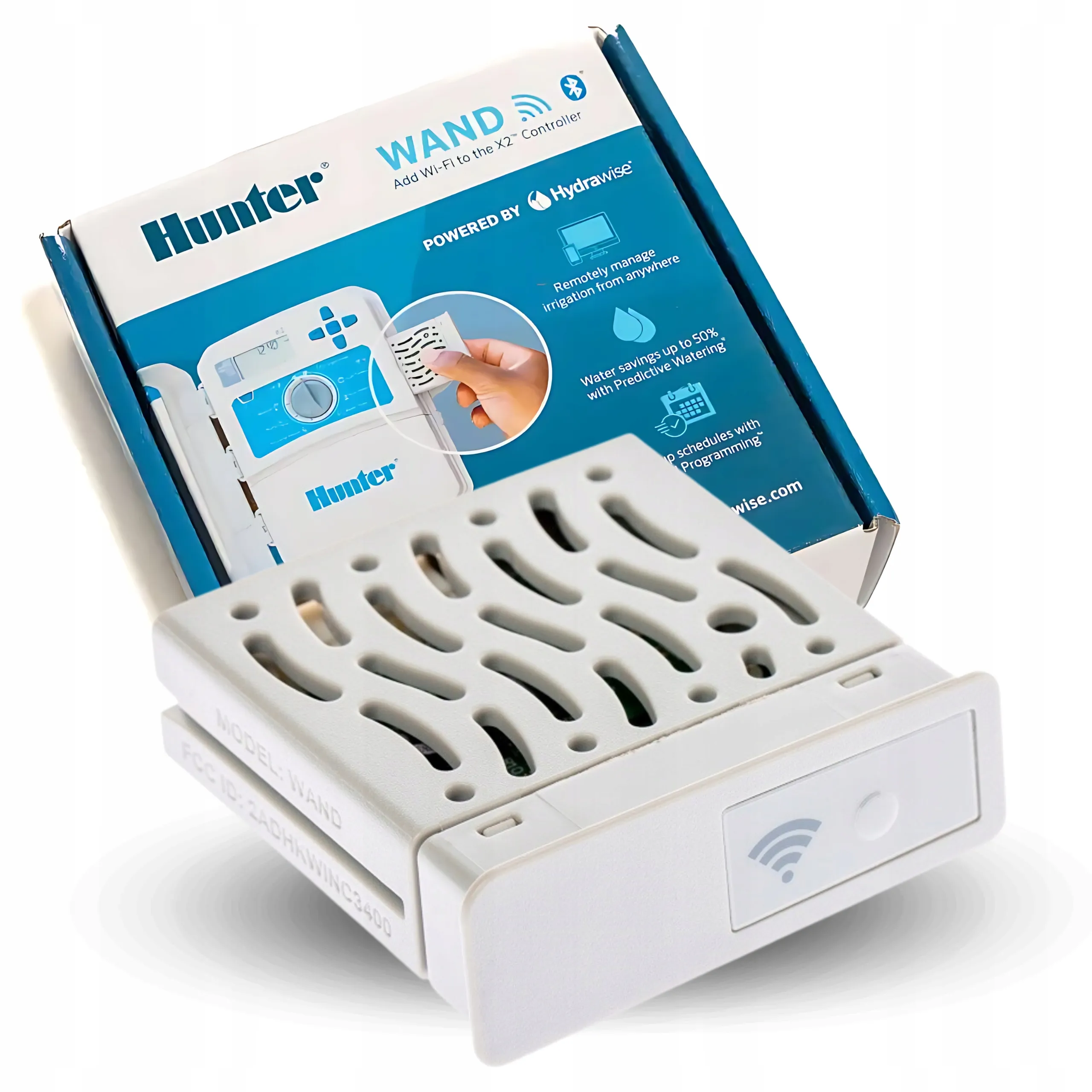
The Intelligent Solution for the Most Expensive Water Source Municipal tap water is the highest quality, but also the most expensive source for your garden. In 2026, as water rates and sewage fees continue to rise, inefficient watering is literally throwing money away. If your system is connected to the city water supply, a WiFi module is no longer a luxury—it is an essential tool for controlling your costs. 1. Real-Time Weather Forecasting (Predictive Watering) You might think, "I already have a rain sensor, so my system doesn't run in the rain." While that is true, a sensor is "reactive"—it only stops irrigation once it is already wet. A WiFi module goes a step further because it is connected to internet weather stations and works "proactively": Stopping Before the Rain: If the forecast shows a high probability of rain, the WiFi module won't start the irrigation at all. This saves expensive municipal water before the first drop even falls. Smart Temperature Adjustments: If it is cooler outside or humidity is high, the system automatically shortens the watering time. A standard sensor cannot do this; it only knows if it is currently raining or not. 2. Instant Fault and Leak Detection When irrigating from a municipal supply, a burst pipe can be a disaster for your wallet. WiFi modules (such as the Hydrawise system) combined with a flow meter offer invaluable protection: Automatic Shutdown: If the system detects an unusually high flow (e.g., a burst pipe or a broken sprinkler head), it immediately closes the main valve. Mobile Notifications: You receive an instant alert that something is wrong. Without a WiFi module, you might only discover the leak when you see an astronomical bill from the water company. 3. Remote Management and Service Convenience You have all your settings right in your pocket. No more complex programming on a tiny screen in a garage or an irrigation box. Changes from Anywhere: Are you on vacation and see on the news that an extreme heatwave is hitting? Adjust your irrigation performance with one click. Remote Diagnostics: Your service technician can check the system status remotely, which often eliminates the need to pay for a physical site visit. Economic Return in 2026 At current water prices, smart WiFi control can save between 30% and 50% of annual costs. For an average garden, this means the investment in a WiFi module pays for itself within the first two seasons—and that only accounts for the saved water, not your valuable time. Expert Tip: The ideal setup is a WiFi module paired with a physical rain sensor. The module handles the global forecast, while the sensor manages local showers right in your yard that a weather station might miss. Conclusion: Water with Your Brain, Not Your Wallet Irrigating from municipal water without a WiFi module is risky and uneconomical today. Smart control brings you not only a beautiful lawn but, above all, the certainty that every drop of expensive drinking water is used with maximum efficiency.

Read article