

Irrigation Without Mains Water: What Are Your Options?
Independence in the Garden: When the Water Grid Is Out of Reach
The absence of a public water supply on your property doesn't mean you are condemned to manual watering with a hose or cans. In 2026, the trend is maximum self-sufficiency. Whether it's a remote cabin, a new build awaiting utility connections, or an eco-conscious household, there are several effective ways to run an automatic irrigation system completely independent of municipal water.
1. Private Wells: The Most Reliable Alternative
A well is an ideal partner for automatic irrigation because it provides the stable flow and pressure required for modern sprinklers.
- Submersible Pumps: Modern pumps with integrated pressure switches deliver water directly into the system as soon as the control unit opens a valve.
- Booster Sets: Suitable for smaller systems where you need to maintain constant pressure throughout the pipe network.
- Filtration is Key: With well water, high-quality filtration is essential to prevent fine sand from damaging sprinkler nozzles and valve mechanisms.
2. Rainwater Harvesting: The Eco-Friendly Choice
Collecting rainwater from roofs is a standard practice in 2026. However, for automatic irrigation, volume is critical.
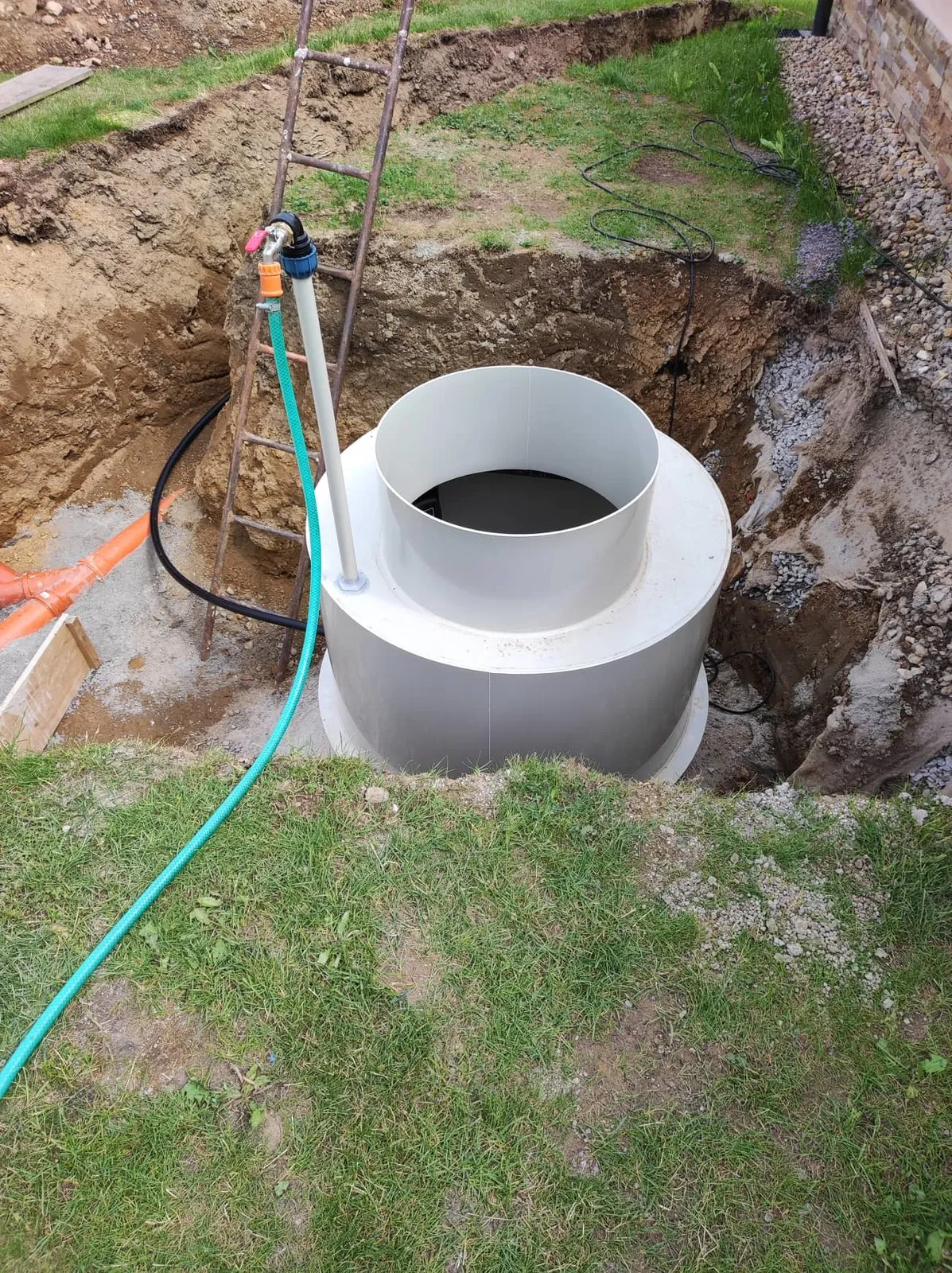
- Underground Tanks: These keep water cool and dark, preventing algae growth. A capacity of 5–10 m³ can cover the needs of a medium-sized garden during dry spells.
- Surface Tanks (IBC Containers): A more affordable solution, though they require shielding from UV rays and a pump capable of creating sufficient pressure for sprinklers.
- Hybrid Systems: If the rainwater runs out, the system can automatically switch to a backup source (like a well) to ensure the garden never dries out.
3. Gravity Irrigation for Micro-Systems
If you lack electricity or a high-pressure pump, a gravity-fed drip irrigation system is the solution.
- Elevated Tanks: A water barrel placed at a height of 1.5–2 meters creates enough pressure for specialized low-pressure drip lines.
- Battery-Powered Controllers: Models exist (e.g., from Hunter or Rain Bird) that run on 9V batteries and don't need a 230V mains connection. They are perfect for cabins and remote corners of a property.
Key Challenges for Off-Grid Systems
When building an irrigation system from alternative sources, you must consider two factors that aren't an issue with municipal water:
- Water Quality: Water from wells or tanks contains impurities (sand, pollen, algae). Without an oversized filter, you risk clogging electromagnetic valves and nozzles.
- Pump Protection: You must ensure "dry-run protection." If the tank runs dry, a sensor must shut off the pump immediately to prevent overheating and mechanical failure.
2026 Pro Tip: If your property lacks electricity, combine a 12V pump with a solar panel and a battery-powered controller. This creates a fully autonomous, maintenance-free system.
Conclusion: Self-Sufficiency Pays Off
Automatic irrigation without mains water is not only possible but also economically beneficial in the long run. By using your own well or harvesting rainwater, you save money and protect precious drinking water resources. Correct pump selection and proper filtration are the only requirements for a flawlessly functioning green oasis.