

What Influences the Cost of Automatic Irrigation the Most?
What Influences the Cost of Automatic Irrigation the Most?
Budget Under the Microscope: Why Does One System Cost $1,500 and Another $4,000?
Automatic irrigation is not an "off-the-shelf" product with a fixed price tag. It is an engineered system custom-designed for your specific landscape. If you have received a quote and it seems high (or suspiciously low), here are the key factors that determine the final price.
1. Water Source and Its Parameters
The water source is the heart of the system. If you have a well with a low flow rate or weak municipal pressure, the system must be divided into more zones to power the sprinklers effectively.
- Low Pressure/Flow: This requires more solenoid valves, more piping, and a larger controller with more station outputs, driving up the cost.
- Pump Systems: If the water source is insufficient, you may need to invest in a Variable Frequency Drive (VFD) or a more powerful pump, adding hundreds of dollars to the bill.
2. Garden Layout and Complexity
The total square footage is only a rough guide. The shape of your property is far more important.
- Open Lawns vs. Narrow Strips: Irrigating a large, open rectangular lawn is much cheaper than watering narrow strips around the house, rockeries, and flower beds. More obstacles and turns mean more nozzles and more complex trenching.
- Landscaping Obstacles: If you have "islands" of trees or shrubs in the middle of your lawn, each obstacle requires additional sprinklers to avoid dry spots (the "shadow" behind the tree).
3. Controller Quality and Smart Features
The gap between a basic entry-level model and a high-end smart system can be significant.
- Wi-Fi Control (e.g., Hunter Hydrawise): These units cost more upfront but save up to 50% on water by connecting to local weather stations. The investment often pays for itself through lower water bills.
- Sensors: A rain sensor is standard, but adding soil moisture sensors increases the price while pushing the system to a much higher level of efficiency.
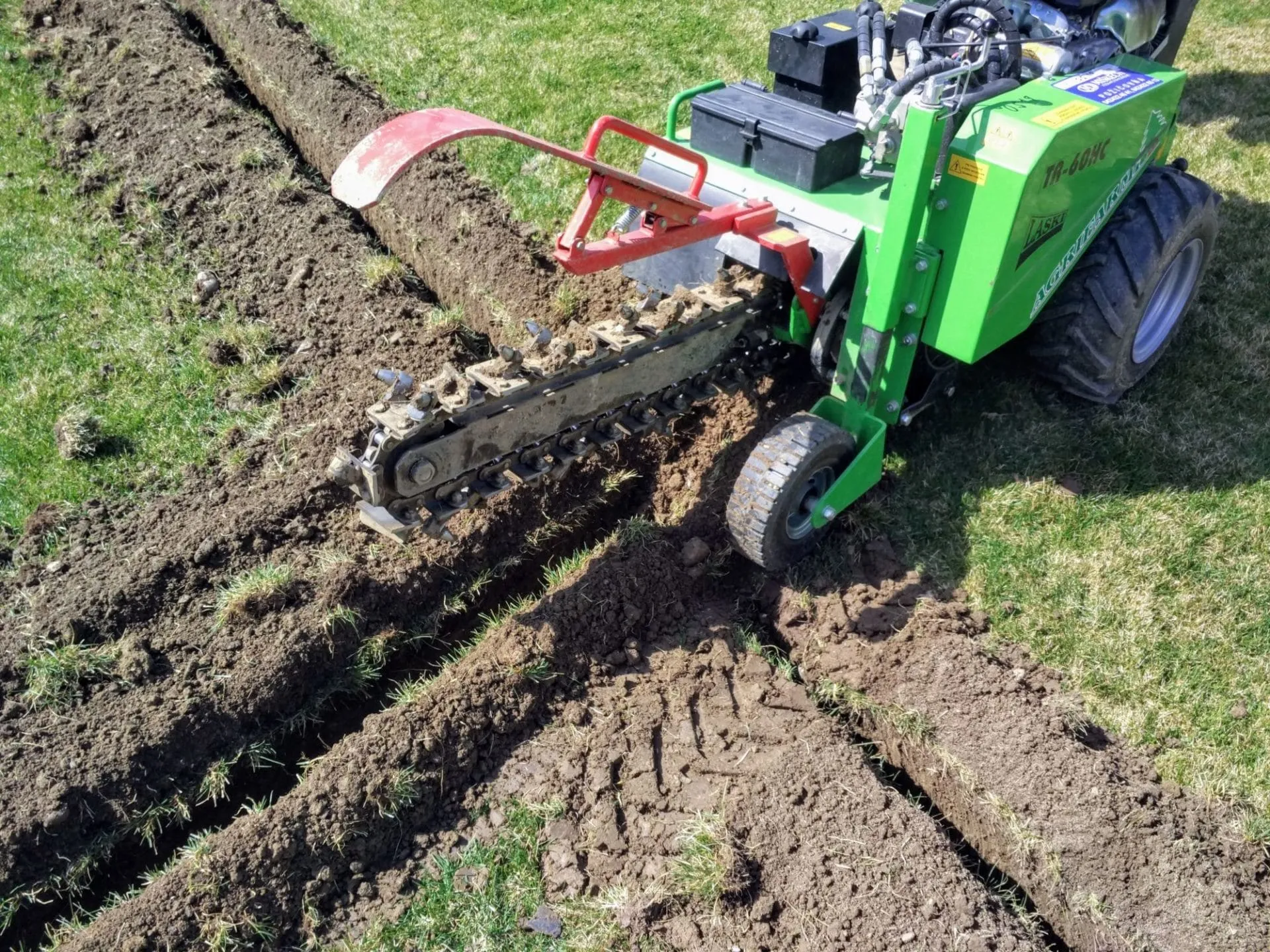
4. Trenching and Labor Intensity
This is the part of the quote that homeowners often underestimate.
- Installing into an Existing Lawn: If irrigation is being installed in a finished garden, workers must carefully cut and replace sod, which is labor-intensive and expensive.
- New Construction (Bare Soil): On new builds where topsoil hasn't been laid yet, installation is much faster and cheaper since trenching is straightforward.
5. Nozzle Selection and Component Grade
Not all nozzles are created equal. Standard spray nozzles are cheap but consume a lot of water. Professional rotary nozzles (like the Hunter MP Rotator) are more expensive to buy but offer significant benefits:
- They require fewer zones (saving on valves and piping).
- They have much lower water consumption and better wind resistance.
Budget Tip: You don't save the most money by buying cheap nozzles, but through proper hydraulic design. A professional designer can optimize the number of zones so you don't pay for unnecessary material.
Conclusion
The cost of automatic irrigation is most heavily influenced by the complexity of the terrain and the capacity of the water source. While you can adjust the budget by choosing different controllers or nozzle types, the laws of physics are set—weak water and complex landscapes will always require more material and labor. Professional installation may cost more initially, but it ensures you won't have to redesign the system in three years due to dry spots.