

When and How Much to Water Your Lawn? Timing is Everything
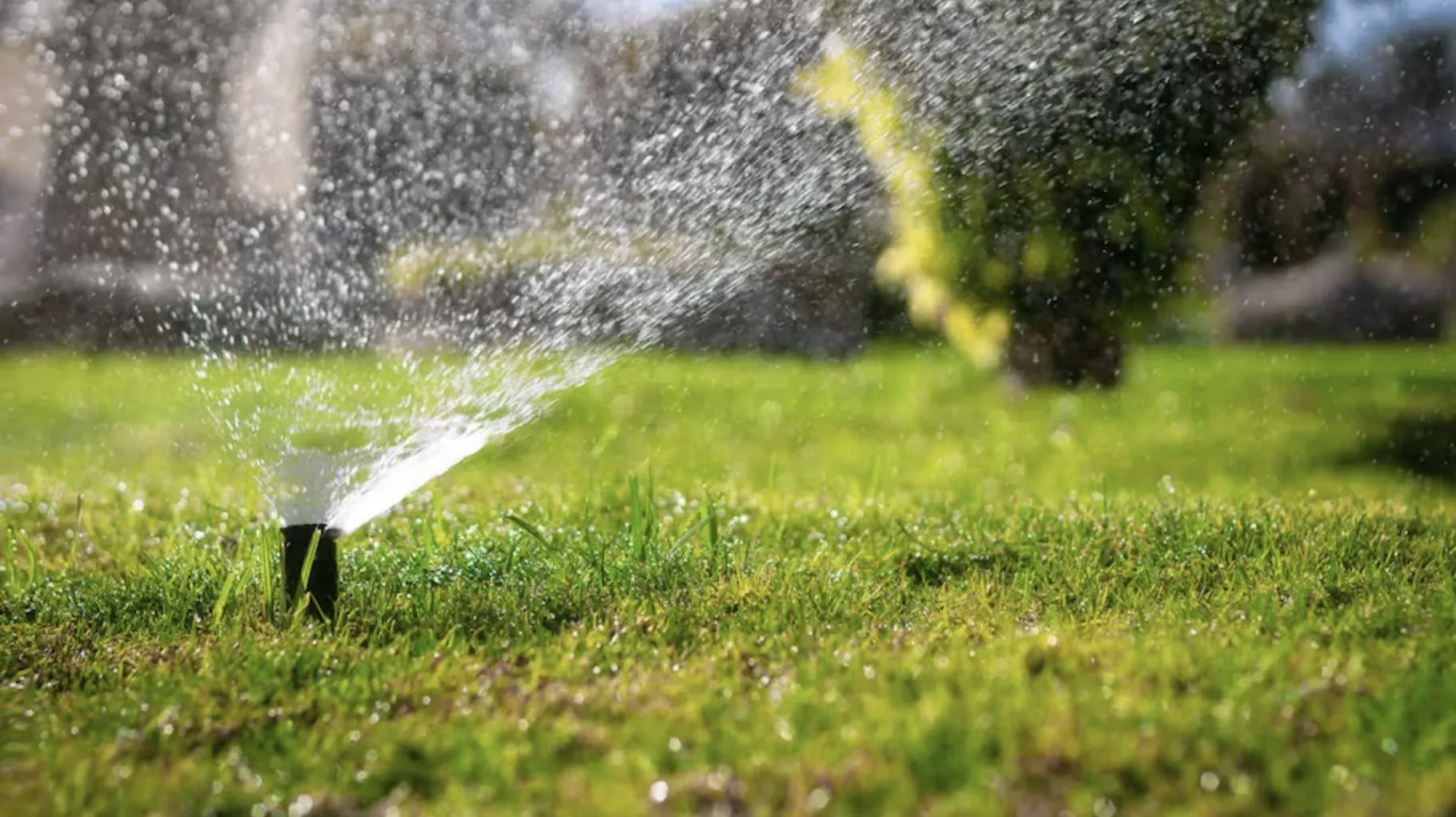
Morning, Evening, or Night? Timing Matters More Than Duration
Many homeowners make the same mistake: they set their irrigation to run in the evening to "prevent water from evaporating overnight." However, the result is often a lawn riddled with fungal diseases. If you want a healthy, deep-green carpet, you must follow the biological needs of the plants, not your own schedule.
The Golden Rule: Water Early in the Morning
The best time to start your irrigation is between 3:00 AM and 7:00 AM. Why is this so critical?
- Minimal Evaporation: The air is cool and winds are usually calm, ensuring that water reaches the roots rather than evaporating into the air.
- Disease Prevention: The lawn gets wet during irrigation, but as soon as the sun rises, the blades dry quickly. Prolonged leaf wetness (which happens with evening watering) is the primary trigger for fungal outbreaks.
- Optimal Pressure: In the early morning hours, water pressure in municipal lines is typically at its peak, ensuring your sprinklers reach their full design distance.
Why is Evening Watering Risky?
If you water your lawn late in the evening, it stays wet for up to 10 hours until sunrise. Heat trapped in the dense thatch combined with standing moisture creates the perfect breeding ground for mold and fungi (such as Snow Mold or Dollar Spot). Evening watering should only be used in extreme heatwaves as a rare supplement if the lawn is visibly wilting during the day.
How Much Water Does a Lawn Actually Need?
Instead of tracking minutes on your controller, focus on the weekly total of water applied. Water requirements change based on the season:
- Standard Summer Weather: A lawn needs approximately 0.6 – 0.7 gallons per sq. ft. (25–30 liters per m²) per week.
- Extreme Heat (above 90°F / 32°C): Consumption rises to 1 gallon or more per sq. ft. (40+ liters per m²) per week.
- Spring and Autumn: Usually, 0.25 – 0.35 gallons per sq. ft. (10–15 liters per m²) per week is sufficient.
The "Less Often, But Deeply" Method
The key to a deep root system is watering less frequently but with a significant amount of water (e.g., 3 times a week). If you only "mist" the lawn every day, the roots stay near the surface, where the sun quickly burns them. Deep soaking forces the roots to grow downward, making the lawn much more drought-resistant.
Pro Tip: If you aren't sure how much water your system delivers, place a rain gauge (or a simple flat-bottomed cup) on the lawn. After a cycle, check how many inches of water (1 inch = approx. 0.6 gal/sq. ft.) actually landed on the area.
Conclusion
Setting your irrigation to 4:00 AM is the easiest way to improve your lawn's health without spending a dime on extra fertilizers or chemicals. Watch your grass—if the blades lose their springiness and the color turns a dull grey-green, it’s time to increase the water volume. If puddles form, water in shorter cycles with breaks to allow for infiltration.