
Polievam.sk - Custom automatic irrigation

Blog

Tips and advice on irrigation, gardens and pump technology.

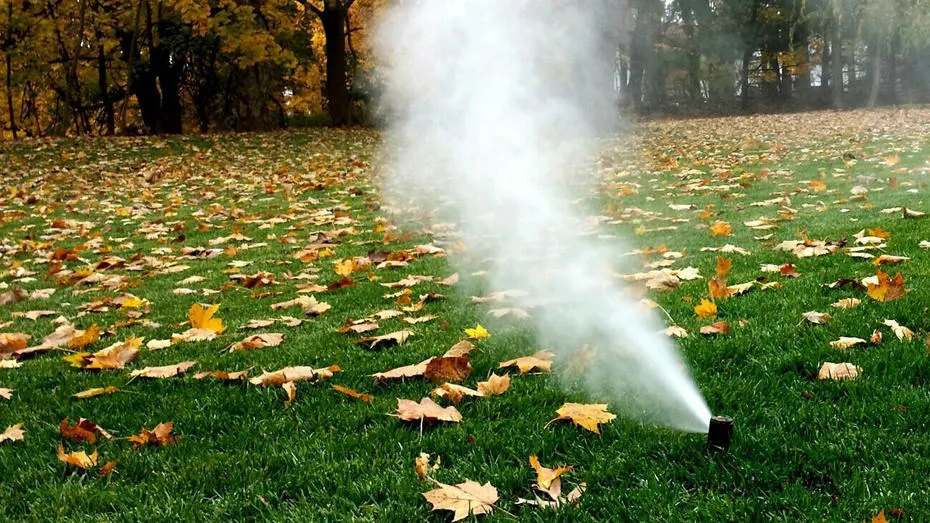
Irrigation Service and Winterization: Why It Is Crucial

Irrigation Service and Winterization: Why It Is Crucial

Prevention That Saves Hundreds: Your System Needs Care Many garden owners view automatic irrigation as a "set it and forget it" system. However, in 2026, with modern components utilizing precision mechanics and smart electronics, regular service is a necessity. Neglected maintenance, especially before the first frost, can lead to the total destruction of the system in a single winter. A professional service cycle is divided into two key phases: autumn winterization and spring startup. Winterization: Protection Against Frozen Destruction Water has a unique property when it freezes—it expands in volume. If it remains in the pipes, valves, or sprinklers, the frost will literally tear them apart from the inside. Simply draining the system by gravity in modern, complex gardens is simply not enough. Compressed Air Blow-out: A professional uses a high-capacity machine that safely forces every drop of water out, even from the lowest points of the system. Valve Protection: Electromagnetic valves are the most sensitive part of the system. Even a small amount of residual water can permanently damage their body or diaphragm. Sprinkler Longevity: By winterizing, you protect the seals and springs inside pop-up sprinklers from cracking and losing functionality. The Risk of Hobby Compressors Using a small hobby compressor for winterization poses a significant risk. These devices operate at high pressure but lack sufficient air volume (CFM). As a result, they tend to dangerously overheat the pipes rather than actually clearing them of water. Professional equipment, on the other hand, guarantees pressure stability and 100% safety for the entire network without the risk of heat damage. Spring Service: Preparing for the Season Once the frost has passed, it isn't wise to just "flip the switch." A professional spring service ensures your garden gets exactly what it needs from day one. Leakage Check: After winter, it is necessary to verify if any mechanical damage occurred due to the movement of frozen soil. Filter and Nozzle Cleaning: Deposits can block uniform spraying, leading to unsightly brown patches on your lawn. Controller Calibration: Updating the watering schedule based on current plant needs and the seasonal forecast. Good to Know: The cost of professional winterization is a fraction of the price for excavation and the replacement of burst pipes or expensive valves—damage you usually only discover in the spring. Conclusion: Longevity Starts with Consistency Calling a technician twice a year is the best insurance policy for your garden. In 2026, we know that proper maintenance extends the lifespan of Hunter or Rain Bird systems by more than a decade. Don’t wait for the first frost—book your maintenance appointment in time.
Read article
Do I Need an Irrigation Project or is "By Eye" Enough?

Do I Need an Irrigation Project or is "By Eye" Enough?

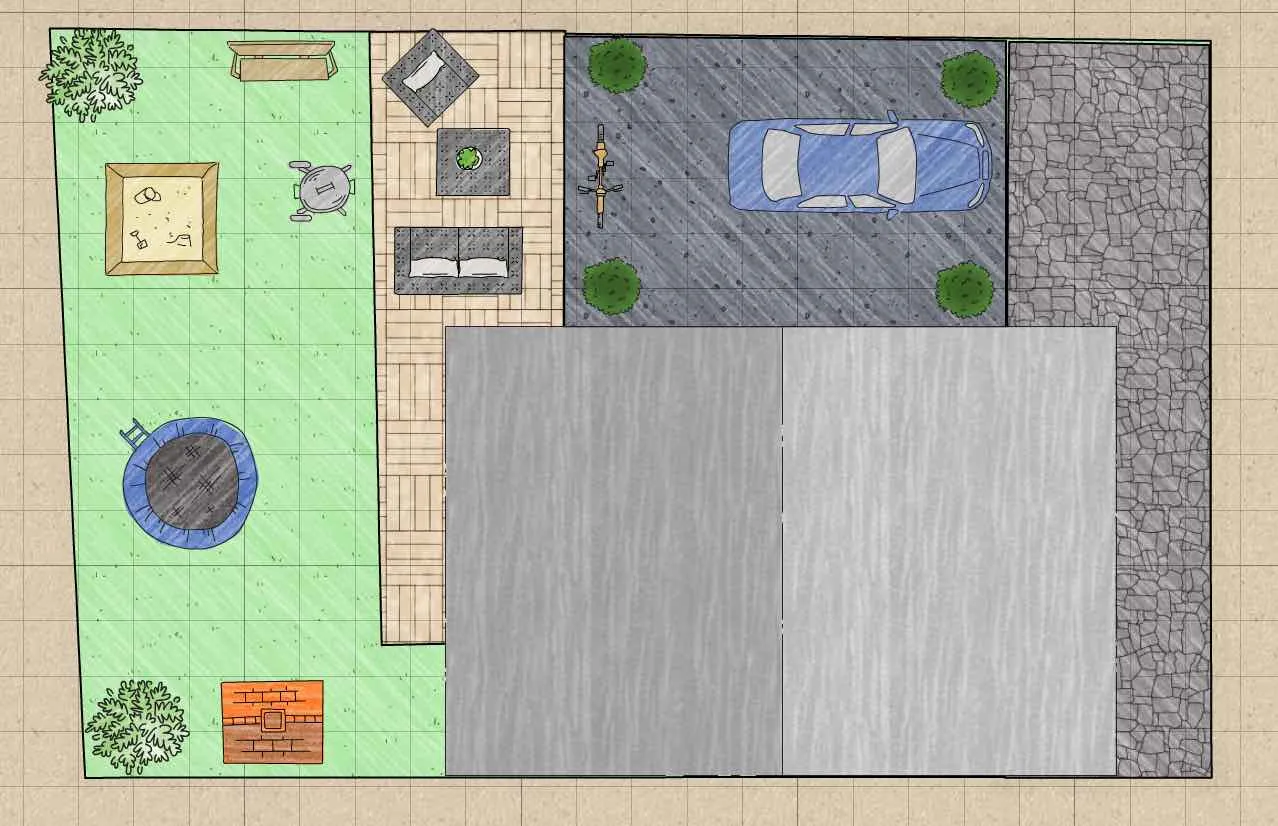
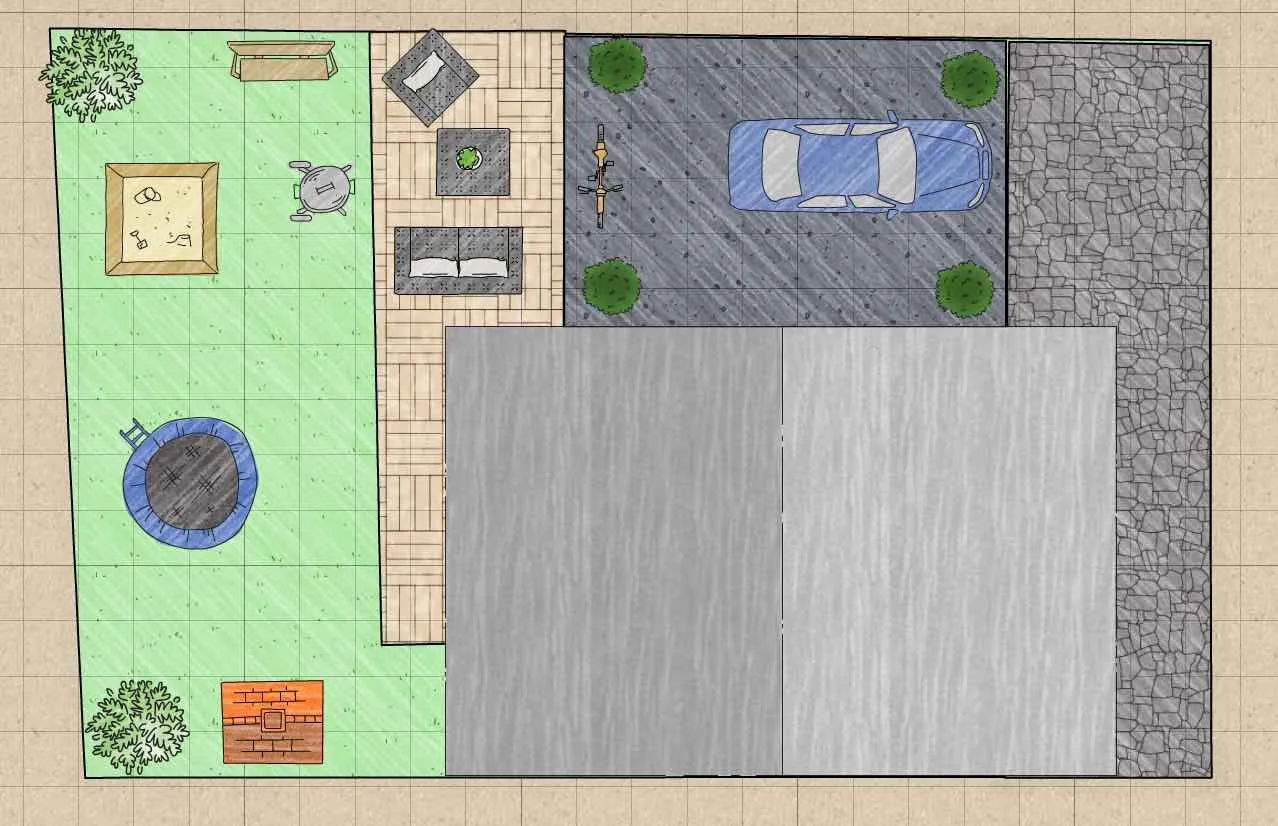
Plan vs. Intuition: Why Improvisation Fails in Irrigation When building a garden, homeowners often look for ways to cut costs. One of the most common mistakes is the belief that sprinkler placement can be determined "by eye" during the digging process. In 2026, with precision technology and rising water costs, the difference between a project and a guess is the difference between a functional system and wasted money. An irrigation project is not just a colorful drawing—it is a set of hydraulic calculations that guarantee your investment will actually work. What a Professional Project Includes (And What "By Eye" Lacks) Hydraulic Calculation: A professional calculates dynamic pressure and water flow. Without this, you may find that the last sprinkler in the line doesn't pop up or only "weeps" instead of spraying. Head-to-Head Coverage: A project ensures that every sprinkler reaches the next one. Watering "by eye" often leaves dry patches (so-called "yellow maps") that are extremely difficult to fix after the lawn is laid. Needs-Based Zoning: A lawn requires a different amount of water than shade-loving plants or raised beds. A project divides the system into zones that water logically and efficiently. Precise Material List: Thanks to the project, you know exactly how many meters of pipe and how many fittings are needed. With a guess, you either run out of parts or end up with a pile of expensive, unused components. The Risks of Installing Without a Plan When irrigation is installed without a technical design, it usually leads to two extremes: the system is either underpowered (pressure is insufficient for the nozzles) or overpriced (too many sprinklers are used where fewer, correctly placed ones would suffice). Water Source Overload: If you run too many sprinklers at once, the pump will be overloaded, drastically shortening the lifespan of your equipment. Foundation Damage: Without a plan, nozzles often spray unnecessarily on the house facade, windows, or terrace, leading to limescale buildup and potential structural damage. Impossible Future Service: Without a diagram, no one will know where the pipes are buried or where the valves are hidden in a few years. A project is the "treasure map" for all future maintenance. Distinguishing a Pro from an Amateur If someone offers to install your irrigation without first measuring the parameters of your water source (pressure and flow rate), you should be cautious. A professional in 2026 starts the job at a computer with CAD software and ends it by handing over "as-built" documentation. Good to Know: The cost of a project is a fraction of the total price of the system, yet it can save you hundreds in repairs and thousands of gallons of water annually. Conclusion: Plan Today, Relax Tomorrow Building an irrigation system without a project is like building a house without a foundation. If you want your lawn to be the pride of the neighborhood rather than a source of frustration, insist on a professional design. A proper plan distinguishes a hobby attempt from a system that will reliably serve you for decades.

Read article
Is Automatic Irrigation Suitable for Small Gardens?

Is Automatic Irrigation Suitable for Small Gardens?

Small Space, Big Potential: Why Property Size Doesn't Limit Automation When people hear "automatic irrigation," they often imagine sprawling football fields or massive estate gardens. However, in 2026, the trend is shifting. More and more owners of modern urban townhouses with yards under 100 m² are discovering that automation is often more critical on a small plot than on a large one. If you have a small garden, every square inch is precious. Here is why you should consider an irrigation system even for a compact space. The Benefits of Irrigation in Small Spaces Maximum Precision: In a tight space, you don't want to water the neighbor’s fence, your house facade, or your patio furniture. Modern nozzles (like the Hunter MP Rotator) allow for spray adjustment down to the millimeter. Effective Micro-irrigation: If your small garden features raised beds or planters, drip irrigation remains hidden under mulch and delivers water directly to the roots without any visual clutter. Space Saving: No more coiling up a 20-meter hose that always gets in the way on a small patio. Sprinklers are hidden underground and only pop up when needed. Uniform Coverage: Small urban gardens are often shaded by walls or fences. Automation can deliver less water to the shade and more to sunny spots—something nearly impossible to estimate accurately by hand. Technical Solutions for Mini-Gardens Small areas don't require powerful long-range rotors; instead, they use technology designed for short distances. The system can be divided into zones that respect the microclimate of your specific yard. Drip Lines: Perfect for hedges and ornamental beds lining the perimeter. Short-Radius Spray Nozzles: Efficiently cover areas starting from as little as 1.5 meters. Smart Sensors: Even a tiny garden can benefit from a soil moisture sensor to prevent overwatering—a common problem in confined spaces that leads to lawn mold. Is it Financially Worth It? The investment for a small garden is logically lower—you need less material, fewer trenches, and a smaller control unit. However, the ROI in terms of time saved and lush greenery is immediate. In 2026, where urban greenery is vital for cooling the home's surroundings, a functional irrigation system is also an investment in your property's value. Expert Tip: For small gardens, we recommend installing the valve box in an easily accessible but discrete location to minimize the impact on your existing landscaping. Conclusion: Small Garden, Professional Care The answer to the headline's question is: Absolutely, yes. Automatic irrigation turns a small backyard into a low-maintenance oasis. You get rid of unsightly hoses and gain the peace of mind that every inch of your valuable space is getting exactly what it needs.

Read article
Automatic Irrigation vs. Manual Watering: How Much Do You Really Save?

Automatic Irrigation vs. Manual Watering: How Much Do You Really Save?

The Battle of Methods: Is the Hose in Your Hand Truly the Cheaper Choice? Many garden owners perceive manual watering as a way to save money. However, in 2026, as water and energy prices reach new highs, the reality is quite the opposite. Watering with a hose is not only inefficient but, in the long run, significantly more expensive than modern automation. Let’s look at the hard numbers in three key areas: economics, time, and water consumption. Where the Savings Come From: Automation vs. The Hose Water Consumption: Manual watering is imprecise. An automatic system with precision nozzles and soil moisture sensors uses up to 50% less water while achieving better results. Time Investment: An average-sized garden requires 1 to 2 hours of watering daily during the season. This amounts to roughly 30 to 60 hours per month that you could spend with family or relaxing. Lawn Health: Automation waters at the ideal time (between 3:00 and 6:00 AM), when evaporation is at its lowest. Manual watering in the evening risks mold growth, while watering during the day can scorch the leaves. Financial Value: If you calculate your time based on an average hourly wage, the investment in irrigation pays for itself after just one intensive season. Economic Reality in 2026 With rising tariffs per cubic meter of water, every drop counts. Automatic irrigation works with an "intelligent calendar." If sensors detect rainfall, the system won't run. With manual watering, we often water by guesswork, leading to waste or, conversely, underwatering in critical zones—which later costs money to restore dead patches of lawn. Precise Dosing: The system delivers exactly 4-5 liters per m² based on the specific needs of the plants. Targeted Distribution: Water goes to the roots, not on the sidewalks or the house facade. Night Tariffs: If you use a well, the pump runs during times of cheaper electricity (if you have a dual-tariff meter). Time is Money Imagine spending approximately 200 hours with a hose in your hand over a season (April – September). Even valuing your time at a modest $15/hour, that is a "cost" of $3,000 that you don't see on a bill, but you are paying it with your life and energy. Automatic irrigation reduces this cost to zero. Expert Tip: Modern systems in 2026 are controlled via an app. Even while on vacation, you have absolute control over consumption and the status of your garden. Conclusion: Investing in Your Freedom Automatic irrigation has long ceased to be a luxury for the few. It is a rational economic decision for anyone who values their time and wants to manage water responsibly. Ultimately, you don't just save money; you gain a beautiful garden without the daily grind.

Read article
Why Cheap Hobby Market Irrigation Usually Fails

Why Cheap Hobby Market Irrigation Usually Fails

Tempting Price vs. Harsh Reality: What’s Hidden Behind the "All-in-One" Box? You’re standing in the aisle of a hobby market, looking at an irrigation kit that promises a complete solution for a fraction of the cost of a professional installation. In 2026, with efficiency and sustainability being top priorities, this decision might seem logical. However, the experience of garden owners is clear: cheap irrigation is often the most expensive path you can take. The problem isn't that these components don't work at all. The problem is how long—and with what level of efficiency—they work in the real-world conditions of your garden. Main Differences: Hobby Kit vs. Professional System Component Lifespan: Hobby solutions typically last 1 to 3 seasons due to fragile plastics. Professional systems (e.g., Hunter) are designed to last 10 to 15+ years. Watering Precision: Cheap kits lack precision, creating puddles in some spots and dry patches in others. A professional system guarantees uniform water distribution to every inch. Spare Parts Availability: Support for hobby products is almost non-existent; if a part breaks, you often have to replace the whole unit. Professional gear has full parts support even after a decade. Water Consumption: Hobby irrigation without sensors wastes water. Intelligent professional systems save up to 40% in costs thanks to precise regulation and weather stations. The 3 Biggest Weaknesses of Cheap Systems Low Pressure Resistance: Hobby components often cannot handle pressure surges in the pipes. Plastic joints fail, leading to underground leaks that you won't notice until your garden turns into a swamp. Inaccurate Nozzles: Professional nozzles are engineered to produce heavy droplets that wind won't blow away. Cheap nozzles create a fine mist that evaporates before it even hits the grass. Lack of a "Brain": Cheap controllers usually water even during rain. In 2026, with current water prices, such waste is simply unacceptable. The Invisible Cost of Repairs With hobby market irrigation, you essentially become a "full-time service technician." Every spring, you’ll find yourself fixing cracked valves, jammed sprinklers, or leaking seals. If you add up the time spent on repairs and the cost of replacement parts, you’ll find that a professional system would have paid for itself by the second year of operation. Our Observation: The most frequent phrase we hear from our clients is: "If I had known it would be this much trouble, I would have had it done professionally from the start." Conclusion: Your Lawn Deserves Stability Irrigation is not a household purchase that you throw away after a year. It is an engineering utility for your garden. If you want peace of mind and the certainty that your lawn will survive even the hottest summers, invest in technology proven in the toughest conditions.

Read article
Well vs. Municipal Water: Which Solution Won’t Ruin You in 2026?

Well vs. Municipal Water: Which Solution Won’t Ruin You in 2026?

Investment Dilemma: Which Water Source Wins in Your Garden? When planning automatic irrigation in 2026, every homeowner faces a crucial question: Should I invest thousands in a private well, or pay monthly bills to the water utility company? There is no simple answer, as factors like rising water prices, pumping technology costs, filtration, and evolving legislation all play a role. Let’s look at the hard data and facts that will help you choose the solution with the best return on investment for your budget and your garden. Comparison of Solutions in 2026 Parameter Municipal Water Private Well Initial Investment Low (connection) High (drilling + tech) Operating Costs High (price per m³) Low (electricity) Risks Watering bans in drought Groundwater level drop ROI Immediate (no investment) 4 to 7 years (by area) Municipal Water: Convenience at a High Price? Using drinking water from the mains is technically the simplest solution, but in 2026, it faces two major challenges. Water prices have soared in recent years, and watering without a separate "garden" meter (to avoid sewage fees) is becoming an unsustainable expense. Furthermore, local municipalities are increasingly issuing watering bans during dry summer months. Your smart irrigation system might be forced to stay dry exactly when your lawn needs hydration the most. Private Well: Freedom That Comes with a Cost A drilled or driven well means independence. But beware—it’s not entirely free. The initial investment in the borehole and pumping technology is high and requires a professional approach. Water Quality: Well water often contains sand or minerals. Without professional filtration, sprinkler nozzles can clog within the first season. Legislation: In 2026, it is essential to ensure proper permits and legal borehole status to avoid fines and administrative issues. When Does a Well Truly Pay Off? Based on our experience, the equation is simple: the larger your garden, the faster the investment in a well pays for itself. For properties with an area over 400 m², a private well with intelligent management is an economic necessity. Expert Tip: For small urban front yards, we recommend municipal water with a separate meter. For family homes with larger plots, investing in a well with a high-quality filtration system is the best path to long-term savings. Conclusion: Decide Based on Reality In 2026, there is no room for guesswork. Whether you choose a well or the mains, the key to success is professional irrigation installation that doesn't waste a single drop. Modern smart systems can efficiently handle both sources, protecting both your wallet and the environment.

Read article
Secret to a Green Lawn: Why You Envy Him and How to Change It

Secret to a Green Lawn: Why You Envy Him and How to Change It

Why Is the Grass Always Greener on the Other Side? It’s Not Luck You know the feeling. You step onto your terrace with a coffee and see your lawn looking tired, patchy, and yellow. Then you look over the fence. Your neighbor has a thick, deep-green carpet that looks like it belongs on a golf course. You wonder: what is he doing differently? Does he have better fertilizer? Does he stay up all night watering? The truth is much simpler, and in 2026, it is finally within your reach. The difference isn’t a "green thumb"—it’s invisible technology that works while he sleeps or works. The secret is professional automatic irrigation that removes human error and ensures perfection every single day. 3 Reasons Your Lawn is Losing the Battle to Your Neighbor's Inconsistency: You water when you have time. He waters when the grass needs it—exactly at 4:00 AM, when evaporation is lowest and absorption is at its peak. Improper Coverage: A hose can never be precise. You overwater some spots while others stay bone-dry. A professional system ensures 100% head-to-head coverage. Outdated Tools: Your neighbor isn’t using a basic hardware-store sprinkler anymore. He has a smart system with sensors that react to soil moisture in real-time. Transform Your Garden Beyond Recognition in Just 3 Days Many homeowners delay irrigation because they fear a torn-up garden and weeks of mess. However, in 2026, our turnkey installation is surgically precise and lightning-fast. Day 1: Precise mapping and careful sod stripping (respecting your existing lawn). Day 2: Installation of pipes, nozzles, and the "smart brain" of the system. Day 3: Finalization, backfilling, and activation. After 72 hours, your garden looks like the start of a new era, not a construction site. Irrigation as a Status Symbol A perfect lawn isn't just about aesthetics. It’s about the feeling of taking your shoes off and walking on a soft, cool carpet. It’s about the prestige of hosting a BBQ where your garden is the perfect backdrop. In 2026, a smart garden is an essential part of a modern, successful lifestyle. Our Tip: Stop envying your neighbor. Let him be the one envying you from now on. Conclusion: Your Garden Deserves Professional Care You don’t need to spend hours studying botany. You just need a partner who can turn your garden into a maintenance-free paradise. With our turnkey irrigation, you get more than just greener grass—you get peace of mind. Take the first step toward a perfect garden today.

Read article
Water is the New Oil: How to Save 50% on Irrigation Costs?

Water is the New Oil: How to Save 50% on Irrigation Costs?

Garden Economics in 2026: Stop Pouring Money Into the Ground Water has become one of the most precious commodities of our time. With the ever-increasing cost of utilities, inefficient watering is a luxury few can afford. If you are still using traditional timers that spray regardless of rain or humidity, you are literally washing money away. In 2026, the solution is smart irrigation, capable of reducing water consumption by up to 50%. Why Old Systems Are Financial Leaks Traditional irrigation controllers operate "blind." They follow a fixed calendar, even if the ground is soaked after a storm. This leads not only to financial loss but also to plant disease caused by overwatering. The intelligent turnkey systems we install don't work with calendars—they work with live data. Predictive Watering: Technology That Pays for Itself At the heart of our solutions are smart controllers (such as Hydrawise) utilizing predictive algorithms. Here’s what that means for your wallet: Hyper-Local Weather Tracking: The system knows the weather on your specific street. If the chance of rain is over 80%, the cycle is skipped. Real-Time Adjustments: A lawn at 35°C requires different hydration than at 22°C. The system adjusts watering duration instantly based on temperature and humidity. Leak Detection: If a pipe bursts, the smart system alerts you immediately and shuts off the supply, preventing massive water bills and property damage. An Investment with Clear ROI From a financial strategy standpoint, modern irrigation is not an expense—it is a high-yield investment. Lower Utility Bills: With 40–50% water savings, the price difference between a standard and a smart system typically pays for itself within 2 to 3 seasons. Asset Protection: Replacing a dead or overwatered lawn costs thousands. A smart system maintains ideal moisture, extending the life of your landscape. Increased Property Value: In 2026, homes with certified eco-efficient systems are much more attractive to buyers. Fact of the Day: Did you know an average garden with poor settings can waste up to 30,000 liters of water per month? Smart irrigation stops this waste. Conclusion: Be Responsible for Your Wallet and the Planet Sustainability in 2026 is no longer just a buzzword; it is an economic necessity. Turnkey smart irrigation allows you to have the greenest garden in the neighborhood at half the cost. Don't compromise between beauty and savings—choose a solution that understands the value of water.

Read article
The Self-Sustaining Garden: Reclaim 100 Hours of Free Time Yearly

The Self-Sustaining Garden: Reclaim 100 Hours of Free Time Yearly

Your Garden Should Be a Sanctuary, Not a Second Job The average homeowner spends over 100 hours per season manually watering, dragging hoses, and checking soil moisture. That is four full days of your life spent on a chore that 2026 technology can handle better than any human. Instead of spending that time with your children, friends, or on your favorite hobby, you’re stuck managing a hose. In an era where we optimize our time at work and in the home, manual watering is an anachronism. Smart turnkey irrigation isn’t just about water—it’s your personal outdoor assistant that restores your freedom and ensures your landscape looks flawless without you ever lifting a finger. The Math of Freedom: What Will You Do With 100 Extra Hours? Take a moment to calculate the value of your time. If you dedicated those 100 hours to your profession or your family, what would they be worth? In this light, investing in automatic irrigation isn't an expense; it is a strategic purchase of time. No More Early Wake-ups: While you sleep, the system quietly and precisely waters at 4:00 AM, the optimal time for plant health. End Weekend Slavery: No more checking the weather apps and worrying if your lawn will survive a weekend getaway. Freedom to Travel: Go on vacation without the awkwardness of asking neighbors to watch over your garden. Technology That Thinks for You A modern garden in 2026 is autonomous. Our systems utilize Predictive Watering—a technology that processes live data from the nearest weather stations. If rain is forecast for the afternoon, the system won't waste water in the morning. If a heatwave is approaching, it automatically adjusts the schedule to prevent plant stress. You don’t need to intervene. With a simple mobile app, you have total oversight while doing absolutely nothing. That is true peace of mind. Turnkey Irrigation: Where Professionalism Meets Comfort For a garden to truly work without you, it must be designed flawlessly. Our turnkey installation includes: Zonal Planning: Every part of your garden gets exactly the hydration it needs (lawn vs. flower beds). Invisible Installation: No hoses cluttering your lawn. Everything is hidden safely underground. Moisture Sensors: The system knows when the soil is saturated, preventing overwatering and saving you money. A Question for You: Do you want to be the owner of your garden, or its janitor? Professional irrigation allows you to be the former. Conclusion: Invest in Your Life, Not Just Your Lawn In 2026, your garden should be an oasis of calm, not a to-do list. Automation allows you to come home and simply breathe. Let the machines do the work while you enjoy the results. Those 100 hours a year are a gift you can give yourself today.

Read article
Boost Property Value: Irrigation as a Standard for Modern Living 2026

Boost Property Value: Irrigation as a Standard for Modern Living 2026

An Investment That Doesn’t Evaporate: Why Buyers Seek Smart Gardens In 2026, the definition of "luxury" or "modern" living has definitively moved from the interior to the exterior. Buyers are no longer just looking for four walls and a roof; they are looking for lifestyle and sustainability. If you are selling or upgrading a property, automatic irrigation is no longer an optional add-on—it is a technological standard, much like a heat pump or solar panels. From a real estate market perspective, the garden is the "first room" a potential buyer sees. If the lawn is in peak condition thanks to an intelligent system, the value of the entire property in the buyer's eyes instantly increases by thousands of dollars. First Impressions Sell: Curb Appeal in the Digital Age Real estate agents confirm that homes with automated exterior maintenance sell 15–20% faster. The reason is simple: the 2026 buyer does not want to be a slave to their garden. Visual Prestige: A perfectly lush green lawn, free of weeds and dry spots, signals that the home has been meticulously cared for in all other areas as well. Instant Utility: A new owner can focus on relaxation immediately after moving in, instead of spending evenings with a hose in hand or dealing with the revitalization of a dried-out landscape. The Emotional Factor: The sight of thriving greenery evokes a sense of home and well-being, which is a key trigger in the purchase decision process. Smart Home Doesn't End at the Patio Door The turnkey modern irrigation we install is fully integrated into the smart home ecosystem. For an investor or homeowner, this means significant competitive advantages: Operational Cost Savings: Intelligent control units with weather station monitoring reduce water consumption by up to 50%. For a buyer, this is a clear argument for lower monthly costs. Remote Management: The ability to control the garden via smartphone from anywhere in the world is an inseparable part of comfort in 2026. Long-Term Asset Protection: Irrigation protects the value of expensive landscaping and mature trees, the replacement cost of which can run into the thousands. The Economics of Decision Making: Cost vs. Appreciation Consider an average family home. The cost of professional turnkey irrigation represents only a fraction of the total property price. However, the added value in the form of a healthy exterior and technological sophistication can increase the sale price by 5% to 7%. If your home is valued at $400,000, a high-quality irrigation system can add $20,000 to $28,000 in perceived value. It is one of the few home investments that offers an almost immediate and measurable return. Strategic Viewpoint: At a time when the real estate market is saturated, details matter. Automatic irrigation is the detail that turns your listing into a winner. Conclusion: Build Today for Tomorrow’s Value Whether you are building a home for yourself or as an investment, do not look at irrigation as an expense. It is a strategic upgrade that improves your quality of life today and the liquidity of your asset tomorrow. Modern living in 2026 simply requires modern care for your greenery.

Read article
More Than Just Digging: Why 80% of DIY Irrigation Systems End in Costly Rebuilds

More Than Just Digging: Why 80% of DIY Irrigation Systems End in Costly Rebuilds

The Illusion of Savings: When a Cheap Solution Becomes a Financial Nightmare Hobby market shelves are lined with tempting components, and YouTube is overflowing with "simple" tutorials. In 2026, it seems like building an automatic irrigation system is as easy as assembling flat-pack furniture. However, the statistics from the field are relentless: 8 out of 10 home-made installations exhibit serious technical flaws that eventually force owners to call in the professionals. The problem isn't a lack of effort; it's the underestimation of the invisible laws of physics and hydraulics. Irrigation isn't just about putting pipes in the ground; it’s a precisely balanced system where even a millimeter's deviation in a nozzle can mean a dead lawn or a destroyed pump. The Most Expensive Mistakes the "Handyman" Doesn't See When we take over projects after failed DIY attempts, we consistently see three fundamental errors that cost homeowners thousands of dollars: Critical Pressure Drop: This is the most common reason for a total rebuild. Amateurs connect too many sprinklers to a single zone. The result? The last nozzles don't even pop up, or they merely "weep." Fixing this means digging everything up and re-sizing the entire pipe network. Poor Coverage (Head-to-Head): The lawn ends up looking like a checkerboard—a green square followed by a scorched yellow strip. Without precise calculations of spray radius, dry spots are inevitable. Fixing it requires adding more sprinklers, which the original water source may no longer be able to support. Undersized Piping: Using thin hoses to save a few dollars increases friction and resistance. The pump becomes overloaded, overheats, and its lifespan drops from ten years to two. Why a "Hobby Market" Won't Teach You Engineering Retailers are happy to sell you components, but they bear no responsibility for whether they will actually work in your specific garden. A professional turnkey firm in 2026 doesn't use guesswork—we use hydraulic modeling. We don't just sell "pipes and nozzles." We sell technical perfection, where every gallon of water has a calculated trajectory. When you do it yourself, you are buying a risk. When you order from us, you are buying a guarantee that your lawn will be just as green in August as it was in May. The Price of an Error: The Math Doesn't Lie If you do it yourself, you pay for materials. If the system fails (which happens in 80% of cases), you will end up paying for: Demolition of the non-functional parts and new excavation work. New materials (because the old ones were incorrectly chosen). The labor of experts who have to fix someone else's mistakes—which is always more expensive than building from scratch. In the end, that "cheap" DIY system costs you 60% to 100% more than if you had hired professionals from the very beginning. Our Take: Time is your most valuable commodity. Do you really want to spend three weekends digging in the mud, only to find out a month later that the system doesn't work and you have to call us anyway? Conclusion: Get It Right the First Time Building a home and a garden is a massive investment. Don't turn it into an experiment. Professional turnkey smart irrigation is the only way to have a functional system without the stress, the rebuilds, and the wasted money. Don't risk becoming part of the 80% of frustrated DIYers.

Read article